Dental Marketplace
How to advertise dental products to dentists?
Gabriel Gimenez · Published on September 19, 2026
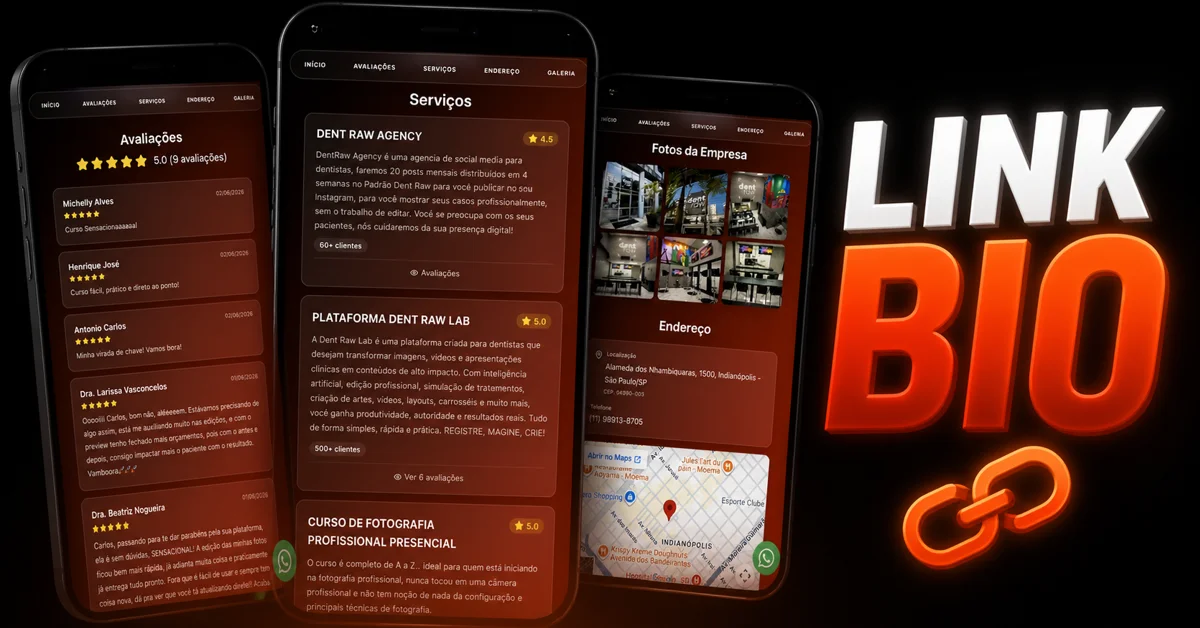
Advertising dental products to dentists works when three conditions come together: you list where dentists already are, you show the product with real photos and a complete technical spec sheet, and you set a price in line with the used-equipment or distributor market. The most direct channel today is a specialized marketplace, like the marketplace inside dentraw LAB, because the audience there is already 100% dental.
The most common mistake I see is the opposite: listing on a generic marketplace with one dark photo and a one-line description. The product sits for months, the seller concludes "there's no demand," and ends up selling for anything to the first person who shows up. The demand exists; the listing just never reached it.
Below I break down where to advertise, how to build a listing that sells, how to price, and which regulatory points are worth checking before you publish.
Where should you advertise dental products to dentists?
The channels that actually reach buying dentists:
- Dental-specialized marketplace: the dentraw LAB marketplace brings together dentists, labs, and agencies already using the platform every day. People browsing there have a technical buying mindset, not a window-shopping one.
- Dental WhatsApp and Telegram groups: real reach, but no payment protection, no search, and your listing buried in the scroll within hours.
- Instagram and Facebook: they work as a storefront, especially with video of the equipment running, but negotiation happens in DMs and trust depends on your profile.
- Generic marketplaces: high traffic volume, but a mixed audience. A dental compressor competes with a fridge and a bicycle in the same search.
- Direct referrals to colleagues and reps: the oldest channel in the industry, still valid for high-ticket equipment, but limited by your network.
My practical recommendation: publish on the specialized marketplace as your main channel and use groups as reinforcement pointing to the listing, never as your only channel.
How do you build a listing that sells?
A complete dental product listing has six parts:
| Part | What to include |
|---|---|
| Title | Product, brand, model, and condition (e.g., "Curing light X, lightly used, 1 year of use") |
| Photos | At least 4: overall, powered on and working, details and accessories, serial label |
| Technical specs | Voltage, year of manufacture, usage time, maintenance performed |
| Provenance | Invoice, reason for selling, city where the item is located |
| Price and negotiation | A clear price and, if you accept, room for negotiation or trade-ins |
| Delivery | Pickup, who pays shipping, dispatch timeframe |
When Carlos and I started dentraw LAB, one of the first things I heard from dentists was frustration with incomplete listings: "I ask about the voltage, the seller takes two days to reply, and by the time they answer I've already bought from someone else." A complete listing sells fast because it eliminates the question queue.
How much should you charge for the product?
The most honest reference is the market itself. Look up the same product, or the closest equivalent, in three sources: the dentraw LAB marketplace, generic marketplaces, and the price of the new item at distributors. A few ranges I use as a starting point:
- Used equipment in good condition, with provenance: at typical market levels, 40% to 70% of the new price, depending on age and condition.
- New consumable supplies, well within shelf life: close to distributor pricing, with a 10% to 20% discount to justify buying outside the traditional channel.
- Parts and accessories: pricing driven more by the buyer's urgency than by any chart.
Avoid anchoring to "what I paid." Buyers compare against the new price and against other used listings, not against your history.
What regulatory precautions should you take when listing?
Before publishing, check three points against the regulations in force:
- Product compliance: clinical-use materials and equipment typically require sanitary registration or notification. When reselling a used item, state its registration status in the listing.
- Nature of the sale: occasionally selling your own used equipment is different from recurring resale of new supplies, which may require a business registration, sanitary license, and a technical responsible party.
- Warranty and returns: agree in writing, in the listing itself, whether there is a working-condition warranty on delivery and what the return policy is. That prevents disputes later.
If your case involves ongoing resale of new supplies, confirm the requirements with an accountant or regulatory consultant before scaling up.
How does listing inside dentraw LAB work?
The dentraw LAB marketplace lives inside the same platform that more than 10,000 dentists already access monthly for AI tools like Preview and Live. You create the listing from the dashboard, with photos, specs, and price, and it becomes visible to an audience that is dental by definition. Subscribers manage listings in the same place where they generate content. Plans start with a free 3-day trial; the full pricing logic is in the article on dentraw LAB pricing.
In practice, the gain is context: the dentist seeing your listing is already there getting work done, which shortens the path between viewing and messaging you.
FAQ
Where should I advertise used dental products? On dental-specialized marketplaces, like the marketplace inside dentraw LAB, where the audience is already made of dentists. WhatsApp groups and social media work, but without payment protection and with limited reach.
How much does it cost to list on the dentraw LAB marketplace? The listing itself does not require a subscription. Existing subscribers list products from the same dashboard where they use the AI tools.
What must a dental equipment listing never be missing? Real photos of the unit powered on and its details, usage time, condition, reason for selling, invoice or proof of origin, and delivery terms. The more complete it is, the fewer repeated questions and the faster the sale.
Is it safe to sell to a dentist in another state or country? Yes, as long as payment and shipping are arranged safely: payment through a platform or intermediary, never a direct advance transfer to a stranger, and tracked, insured shipping for high-value equipment.
Do I need a business license to sell dental products? It depends on the channel and the product. An individual can sell their own used equipment on marketplaces. For recurring resale of new supplies, check the regulations in force in your country, since some products require sanitary registration and licensing.
If you have equipment sitting idle in your practice or want to reach real dentists with your products, list on the dentraw LAB marketplace and put your listing in front of actual buyers.
Related articles
Frequently asked questions
Where should I advertise used dental products?
On dental-specialized marketplaces, like the marketplace inside dentraw LAB, where the audience is already made of dentists. WhatsApp groups and social media work, but without payment protection and with limited reach.
How much does it cost to list on the dentraw LAB marketplace?
The listing itself does not require a subscription. Existing subscribers list products from the same dashboard where they use the AI tools.
What must a dental equipment listing never be missing?
Real photos of the unit powered on and its details, usage time, condition, reason for selling, invoice or proof of origin, and delivery terms. The more complete it is, the fewer repeated questions and the faster the sale.
Is it safe to sell to a dentist in another state or country?
Yes, as long as payment and shipping are arranged safely: payment through a platform or intermediary, never a direct advance transfer to a stranger, and tracked, insured shipping for high-value equipment.
Do I need a business license to sell dental products?
It depends on the channel and the product. An individual can sell their own used equipment on marketplaces. For recurring resale of new supplies, check the regulations in force in your country, since some products require sanitary registration and licensing.