AI for Dentists
Is it worth paying for a dental AI tool?
Gabriel Gimenez · Published on September 19, 2026
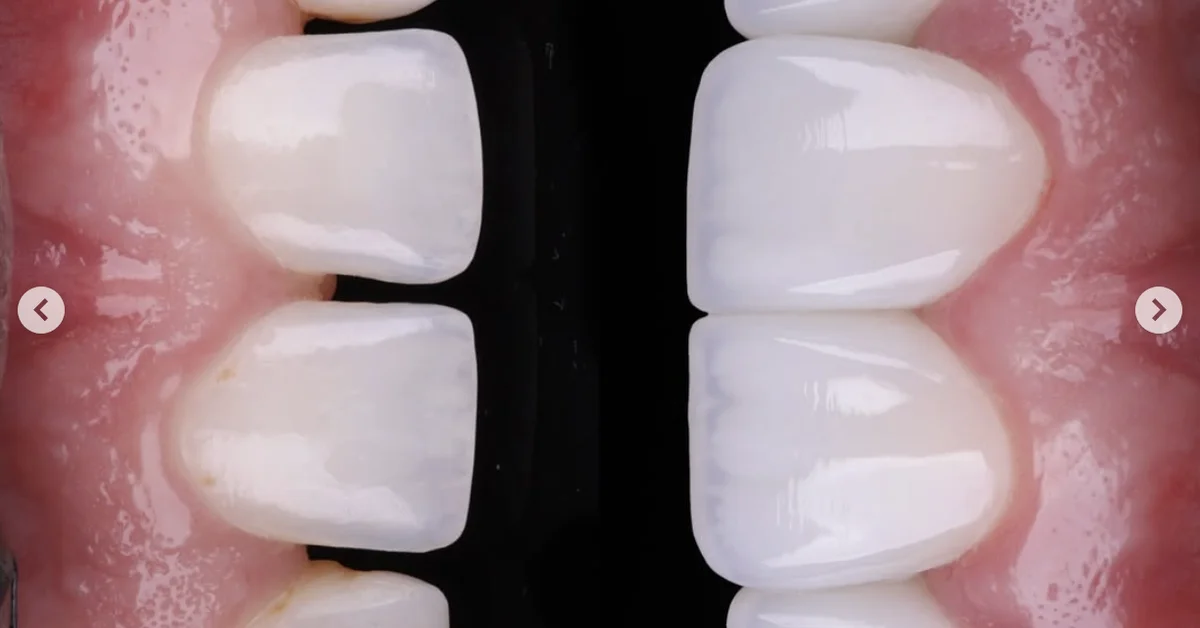
Paying for a dental AI tool is worth it when one simple condition is met: the monthly cost must be lower than the value of a single extra treatment closed because of it. In most practices that handle cosmetic dentistry, that math works out comfortably. A tool in the range of US$20 to US$100 per month pays for itself if it helps close one veneer, one whitening or one rehab case that would not have closed without a visual presentation.
The test I use when a dentist asks me this is straightforward: if you present cosmetic treatment plans every week and the patient decides based on what they see, the tool is an investment with a measurable return. If you rarely present cosmetic cases and do not produce content, a subscription is an expense, and pay-per-use credits are the better fit.
In the next sections I break down the full math, the scenarios where it pays off and where it does not, and how I evaluated this myself before building dentraw LAB with Carlos Herton.
How do you calculate the return on investment?
The math has three steps, and I present it exactly like this to anyone who asks:
- Add up the tool's monthly cost, including the subscription or the average you would spend on pay-per-use credits.
- Estimate the average ticket of the treatments the tool helps you present, such as veneers, whitening or full rehabs.
- Ask yourself: how many extra treatments per month does this tool need to help me close to pay for itself? In most scenarios, the answer is less than one.
An example with market ranges: if the tool costs around R$333 per month and your simplest cosmetic treatment sits in the range of a few thousand reais, closing a single extra case every few months already covers the whole year of subscription. That kind of comparison shifts the conversation from "one more expense" to "a closing lever".
When is dental AI worth it?
There are practice profiles where the answer is clearly yes:
- You see cosmetic dentistry patients regularly and present treatment plans every week.
- The patient decides visually: they need to "see" the result before accepting the estimate.
- You produce, or want to produce, Instagram content with before-and-after photos and transformation videos.
- You spend time editing photos manually or pay someone to do it.
In these scenarios, the tool works on two fronts at once: it improves communication in the evaluation appointment, through the smile simulation, and it cuts the cost of content production. At dentraw LAB, Preview covers the first front, and Studio, Live and the carousels cover the second. Exact pricing is in the article about how much dentraw LAB costs, whose pricing logic is: subscription for constant use, pay-per-use credits for occasional needs. Clients outside Brazil are billed in dollars, converted from the Brazilian price table.
When is it not worth it?
Honesty helps more than a sales pitch. I tell dentists who reach out to me exactly when AI does not pay off:
- You rarely present cosmetic treatments, and your revenue comes from procedures where the patient's decision does not depend on visuals.
- You have no plans to produce social media content in the coming months.
- Your usage volume would be so low that credits of a few reais per generation cover the need.
In these cases, a subscription becomes an unused monthly fee. The smarter path is occasional use: pay per generation when a case comes up that deserves a visual presentation. dentraw LAB offers that precisely for this profile, with credits starting at R$3.90 per image.
What changed in practice for those who adopted it?
Let me tell you what I saw up close. Before launching dentraw LAB in April 2026, Carlos and I ran early versions with dentists close to us. The pattern kept repeating: the dentist would present the estimate talking about technique and materials, the patient would ask to "think about it", and the case would go cold. Once the same conversation started including a simulation of the patient's own smile on screen, the objection shifted from "will it look good?" to "when can we start?".
That is not a promise of results, it is an observation about decision behavior. The cosmetic patient buys what they can picture. When you remove abstract imagination and put a concrete preview in front of them, the conversation becomes more objective. Today more than 10,000 dentists access dentraw LAB every month, and the most common feedback I get in support is exactly that: the simulation became part of the evaluation appointment, not an extra.
What should you compare before choosing a tool?
Not every dental AI tool delivers the same thing. Before paying, I would compare five points:
- Simulation quality: does it respect the patient's anatomy or generate a generic smile?
- Coverage: does the tool only simulate, or does it also enhance photos, generate videos and build carousels?
- Pricing model: subscription, credits or both? Is there a trial to test with a real case?
- Language and support: do the interface and the support team speak your language and understand dentistry?
- Regulatory fit: will the generated material be used in advertising? Check your local dental board's current advertising rules before publishing before-and-after content.
FAQ
How much does a dental AI tool cost on average? Across the market, subscriptions typically range from about US$20 to US$100 per month, depending on generation volume and included features. At dentraw LAB, the monthly plan is R$333 and the annual plan works out to roughly R$291 per month, billed in dollars for international clients.
Does an AI smile simulation really help close treatments? From what we observe in practice, showing a visual preview changes the patient conversation: they stop imagining the result and start asking when they can begin. It is not a guarantee of closing, but it improves how the proposal is communicated.
Can I try it before paying? Yes. dentraw LAB offers a free 3-day trial with full platform access. My suggestion is to bring a real case so you can evaluate it properly.
Does dental AI replace the dentist's clinical planning? No. AI is a communication and content production tool. Diagnosis, planning and clinical execution remain the professional's responsibility, under the current rules of your local dental board.
For whom is dental AI not worth it? For anyone who rarely presents cosmetic treatments, does not produce social media content and has no plans to change that. In that case, pay-per-use credits make more sense than a subscription.
If you want to run this math on a real case, try dentraw LAB free for 3 days: start your free trial now.
Related articles
Frequently asked questions
How much does a dental AI tool cost on average?
Across the market, subscriptions typically range from about US$20 to US$100 per month, depending on generation volume and included features. At dentraw LAB, the monthly plan is R$333 and the annual plan works out to roughly R$291 per month, billed in dollars for international clients.
Does an AI smile simulation really help close treatments?
From what we observe in practice, showing a visual preview changes the patient conversation: they stop imagining the result and start asking when they can begin. It is not a guarantee of closing, but it improves how the proposal is communicated.
Can I try it before paying?
Yes. dentraw LAB offers a free 3-day trial with full platform access. My suggestion is to bring a real case so you can evaluate it properly.
Does dental AI replace the dentist's clinical planning?
No. AI is a communication and content production tool. Diagnosis, planning and clinical execution remain the professional's responsibility, under the current rules of your local dental board.
For whom is dental AI not worth it?
For anyone who rarely presents cosmetic treatments, does not produce social media content and has no plans to change that. In that case, pay-per-use credits make more sense than a subscription.