Laboratories & Materials
How to choose a dental lab for veneers?
Gabriel Gimenez · Published on September 19, 2026
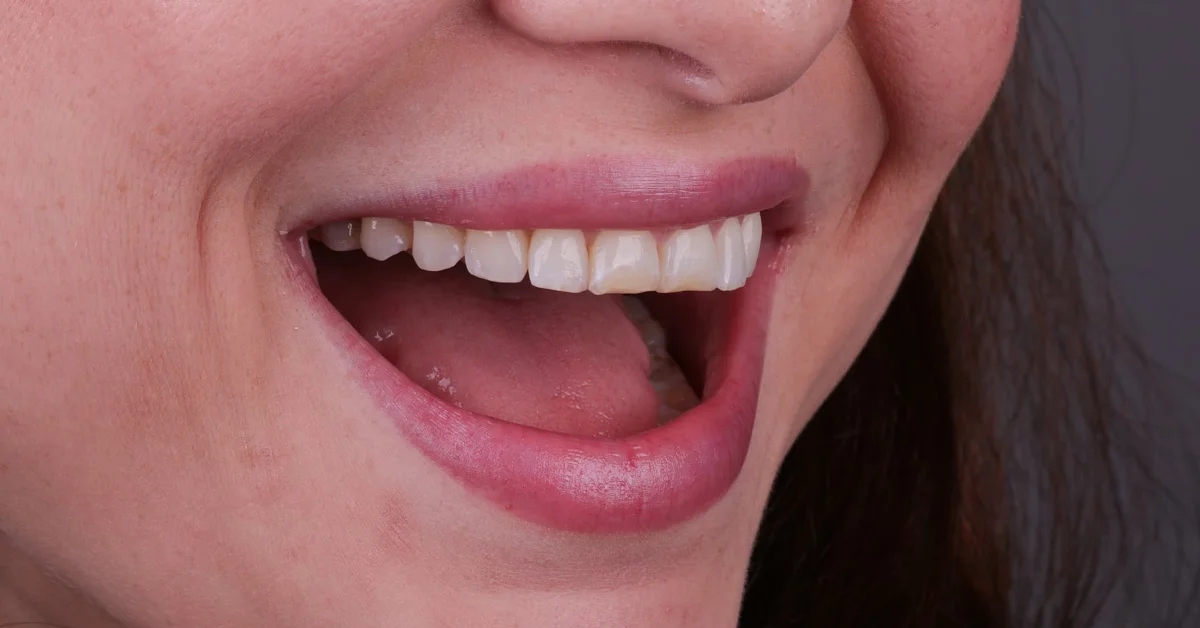
To choose a dental lab for veneers, evaluate five things: digital workflow, real case portfolio, direct communication with the technician, reliable turnaround times and a clear remake policy. The right lab is the one that delivers aesthetic predictability case after case, not the cheapest one on the list.
A veneer is millimeter-precise work and subjective aesthetics at the same time. A great clinical prep can be wasted by poorly characterized ceramic, and a weak lab turns your case into remakes, extra cost and an unhappy patient. Choosing the technical partner matters as much as choosing the material.
What separates a good veneer lab from an average one?
In practice, the difference shows up in six objective criteria:
- Complete digital workflow: accepts intraoral scans, designs in CAD and mills or prints, which gives the case repeatability.
- In-mouth portfolio, not just models: photos of seated cases, with natural light and retraction, show real texture and integration.
- Direct technician communication: you can talk to the person doing the work, not just the sales rep.
- Clear prescription guidance: the lab advises on minimum thickness, indicated material and the limits of each case.
- Reliable turnaround: delivers on the agreed date and warns you early when something slips.
- Transparent remake policy: covers redos when the failure is technical, with written criteria.
Analog or digital lab: which one to choose?
| Criterion | Analog lab | Digital lab |
|---|---|---|
| Case intake | Physical impression, shipped | Intraoral scan, file transfer |
| Repeatability | Depends on the ceramist's hand | Saved design, faithful replication |
| Turnaround | On average longer | On average shorter |
| Aesthetic characterization | Very strong in hand-layered ceramic | Strong with a finishing ceramist; weak if milling only |
| Shade matching | Requires patient visit or standardized photos | Standardized photos + digital shade mapping |
| Cost | Variable | Variable, not always cheaper |
The honest answer: the best lab today is usually hybrid. Digital intake for precision and speed, an experienced ceramist on characterization for aesthetics. A milled ceramic veneer with no hand finishing tends to look flat; surface texture detail comes from the ceramist's hand.
How do you validate a lab before the first case?
I learned this while working with the partner labs at dentraw LAB: whoever validates first avoids headaches later. The path I recommend:
- Ask for 3 complete cases in photos: prep, model and in-mouth result. A single Instagram case tells you nothing.
- Send one simple test case: one or two units, no rush. Judge communication, turnaround and finishing without risking an unhappy patient.
- Test the communication: send a technical question and see who answers. If only sales talks, be suspicious.
- Get the remake policy in writing: timeframe, criteria and who pays for reshipping.
- Ask for a reference from a served dentist: a 10-minute call reveals more than any website.
How much does a veneer cost at the lab and how long does it take?
Prices vary widely by material, region and complexity. As a general market reference, lab fees for composite veneers usually sit well below ceramics, and porcelain or lithium disilicate veneers fall in higher ranges. Among dentraw LAB's partner labs we are still consolidating the most common price ranges and will update this article once those numbers are final.
On turnaround, composite work tends to come back within a few business days, while layered ceramic veneers need more days for characterization and try-in steps. The exact number depends on the lab, and we are collecting the average production time of our partners to update this article. Practical rule: never schedule the bonding appointment before confirming the turnaround in writing.
What mistakes do dentists make when choosing a lab?
- Choosing on price alone: saving a few hundred dollars turns into a remake that costs the whole case.
- Sending the case without a prescription: shade, shape and texture decided by the technician's gut rarely match the patient's expectation.
- Not standardizing photos: without a shade tab photo and a neutral background, the ceramist works in the dark.
- Skipping case debriefs: not recording what worked makes it impossible to replicate on the next case.
- Never visiting the lab: a one-hour visit shows organization, equipment and the real team.
One-sentence decision rule: choose the lab that documents, communicates and takes responsibility, because a good veneer is born from process, not luck.
How does dentraw LAB help with this choice?
Inside dentraw LAB there is a directory of veneer and composite labs, built exactly for this search. Carlos Herton and I created this area after hearing the same complaint from dozens of dentists: they had no idea where to find a trustworthy lab outside their own city. In the directory you filter by region and type of work and find partners already handling aesthetic cases.
FAQ
What is the difference between an analog and a digital lab for veneers? A digital lab works with intraoral scanning, CAD design and milling or printing, which shortens production time and makes cases easy to replicate. An analog lab relies on physical impressions and hand wax-ups, with more shipping and adjustment variables. Many labs today are hybrid.
How long does a lab take to make veneers? It depends on the material and case complexity. In general, composite work comes back faster, while ceramic veneers take more days because of characterization steps. Always confirm the turnaround in writing before scheduling the bonding appointment.
Can I talk directly to the dental technician? You can and you should. Veneer cases involve aesthetic decisions about shade, shape and texture that get lost when they only pass through intermediaries. A good lab encourages direct contact between dentist and technician.
How do I evaluate a veneer lab's portfolio? Ask for photos of real cases, ideally before and after shots and in-mouth photos, not just model shots. Look at surface texture, cervical blend and shade naturalness. If possible, ask for references from other dentists the lab serves.
What should I do when a veneer arrives with a problem? Document it with photos and report it to the lab immediately. Serious labs have a clear remake policy and cover redos when the failure is technical. Check that policy before sending your first case.
Related articles
- What is the difference between composite and porcelain veneers?
- What are porcelain veneers and who are they for?
- How much does a full smile with veneers cost in 2026?
If you want to compare veneer labs by region and type of work, visit the dentraw LAB lab directory and find partners for your next case.
Frequently asked questions
What is the difference between an analog and a digital lab for veneers?
A digital lab works with intraoral scanning, CAD design and milling or printing, which shortens production time and makes cases easy to replicate. An analog lab relies on physical impressions and hand wax-ups, with more shipping and adjustment variables. Many labs today are hybrid.
How long does a lab take to make veneers?
It depends on the material and case complexity. In general, composite work comes back faster, while ceramic veneers take more days because of characterization steps. Always confirm the turnaround in writing before scheduling the bonding appointment.
Can I talk directly to the dental technician?
You can and you should. Veneer cases involve aesthetic decisions about shade, shape and texture that get lost when they only pass through intermediaries. A good lab encourages direct contact between dentist and technician.
How do I evaluate a veneer lab's portfolio?
Ask for photos of real cases, ideally before and after shots and in-mouth photos, not just model shots. Look at surface texture, cervical blend and shade naturalness. If possible, ask for references from other dentists the lab serves.
What should I do when a veneer arrives with a problem?
Document it with photos and report it to the lab immediately. Serious labs have a clear remake policy and cover redos when the failure is technical. Check that policy before sending your first case.