Content & Planning
How to repurpose one clinical case into 10 pieces of content?
Gabriel Gimenez · Published on September 19, 2026
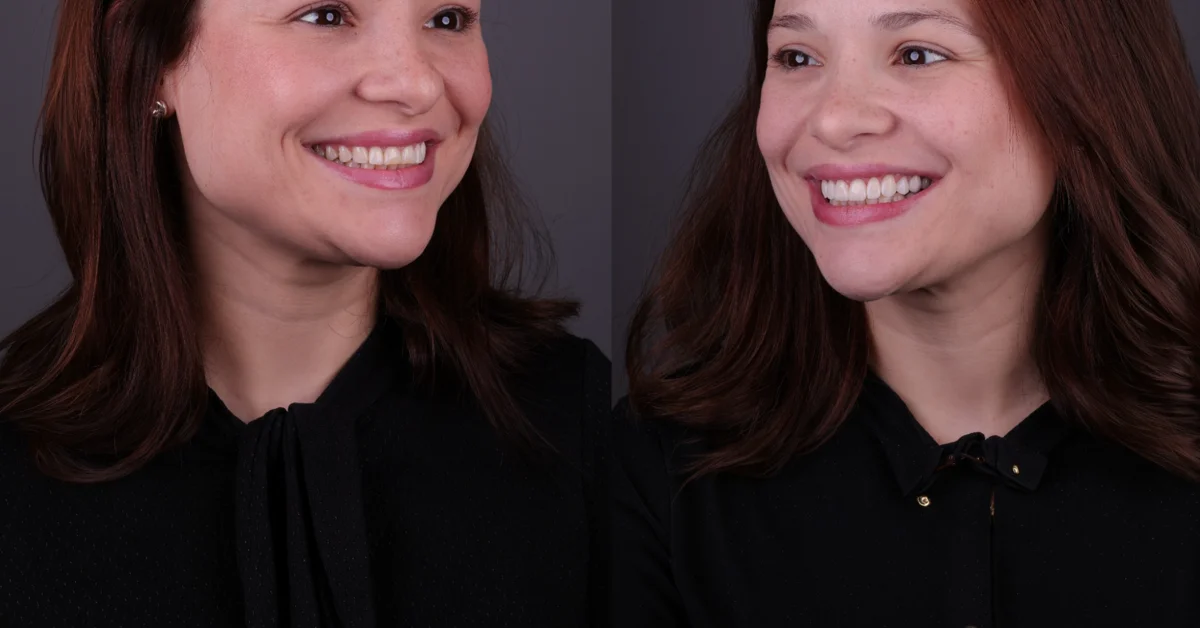
A documented clinical case, with good photos and the patient's consent, yields 10 different pieces of content for your practice's Instagram: a before-and-after carousel, a transformation reel, a Live video, a smile simulation, a testimonial, an educational post about the procedure, a story sequence, a behind-the-scenes post, a myth-and-fact post and a maintenance update months later. The logic is simple: you do not need 10 cases a month, you need to explore 1 case in depth.
I learned this in practice talking to dentists who use dentraw LAB. The ones complaining they "had nothing to post" were using each case once: a single before-and-after photo and done. Once they started treating the case as a content source, the same material turned into three weeks of calendar.
Below is the exact step by step I use when I help a practice set up this repurposing.
What are the 10 pieces of content one clinical case yields?
- Before-and-after carousel: the main piece, with the case evolution across 5 to 8 slides.
- Transformation reel: the transition from before to after in 7 to 15 seconds.
- AI transformation video: generated from the case photos, with smooth motion between phases.
- Smile simulation: the Preview of the planning, showing how the result was designed before starting.
- Patient testimonial: a screenshot or short video with their own words, always with consent.
- Educational post: "how it works" for the procedure, explained in patient language.
- Story sequence: polls and question boxes about the case ("do you think this is veneers or whitening?").
- Behind-the-scenes post: preparation, the temporary, shade selection. It humanizes the work.
- Myth-and-fact post: common questions about the procedure answered based on the case.
- Maintenance update: the patient's follow-up months later, proving the work lasts.
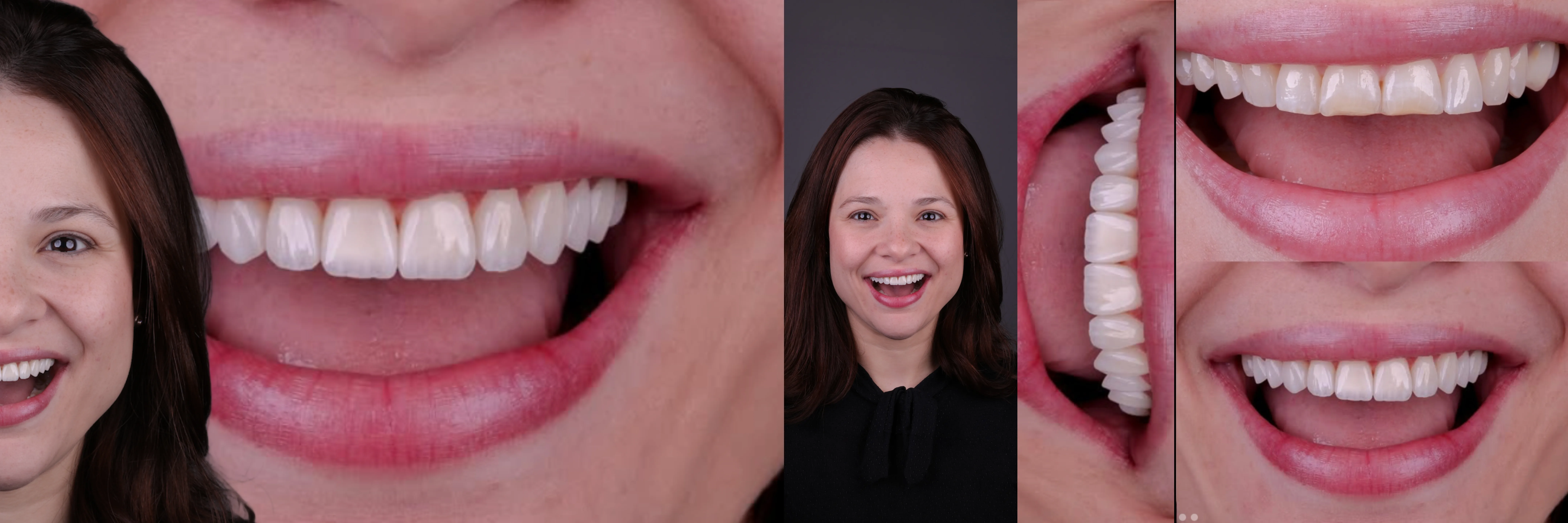
How do you extract all of this from a single case?
The secret is in the documentation moment, not in editing. If you only photograph the before and the after, you have already lost half of the content. This is the capture script I recommend:
- Before: photos from varied angles, a short video of the initial smile and the patient's complaint in audio or text.
- Planning: a screenshot of the smile simulation made in Preview, which becomes content of its own.
- During: photos of the preparation, the temporary and shade selection, even with a phone.
- After: photos from the same angles as the before, a video of the patient's reaction and a 30-second testimonial.
- Follow-up: a quick photo at the maintenance appointment, months later.
With that material in your gallery, each of the 10 pieces comes together in minutes, because you are not creating anything from scratch: you just reframe what already exists for each format.
How should you order the publishing?
Publishing all 10 pieces in the same week wastes the case. The sequence I see working best follows the patient's journey: first curiosity, then proof, finally trust.
| Week | Content | Goal |
|---|---|---|
| 1 | Transformation reel + stories with poll | Reach: attract people who do not know you |
| 2 | Before-and-after carousel + smile simulation | Proof: show the result and the planning |
| 3 | Educational post + patient testimonial | Trust: explain and humanize |
| 4 | Behind the scenes + myth and fact | Relationship: answer questions |
| Month 3 or 4 | Maintenance update | Longevity: prove the work lasts |
Interleaved with other topics, a single case sustains a month of calendar without repeating formats. If you do not have a posting routine yet, the article on content calendar for dentists shows how to fit these pieces day by day.
What should you do when the patient does not authorize publication?
It happens often and it is no reason to discard the case. The rule is clear: without written consent, no identifiable photos or story, according to the dental advertising rules in your jurisdiction. Check the current regulation before publishing any material.
What remains available without authorization: educational content about the procedure, myth and fact, behind the scenes without faces and AI-generated simulations, which do not use anyone's real image. At dentraw LAB, Preview and the themed carousels let you build all of that material without depending on patient photos.
How much does it cost to produce this volume of content?
Producing 10 pieces by hand, with a designer, often costs more than the treatment the content is going to sell. With AI, the cost changes scale: at dentraw LAB, a single image costs R$3.90 and a video R$6.90, and the 24-hour pass at R$11.90 opens the whole platform to produce the entire case in one day. For anyone doing this every week, the subscription is cheaper per generation. Full pricing and the logic behind each plan are in the article how much does dentraw LAB cost.
FAQ
How many pieces of content can you get from one clinical case? With the photos and the story of a single case, it is realistic to produce 10 pieces: a before-and-after carousel, reels, a transformation video, a smile simulation, a testimonial, an educational post, a story sequence, a behind-the-scenes post, a myth-and-fact post and a maintenance update.
Do I need the patient's consent to post the case? Yes. Using a patient's photos and story in marketing requires written consent, according to dental advertising rules in your jurisdiction. Always check the current regulation before publishing.
Which format performs better: carousel, reels or stories? It depends on the goal. A before-and-after carousel tends to drive saves and proof of results, transformation reels reach new people and stories maintain the relationship with existing followers. Ideally you use all three with the same case.
What if the patient does not authorize the use of photos? You can still produce educational content without identifying the patient: explain the procedure, show the technical step by step and use AI-generated simulations, which do not involve anyone's real image.
How long does it take to produce the 10 pieces? By concentrating production in a single day, you can put everything together in a few hours, especially using AI tools to edit photos, build the carousel and generate the transformation video.
If you have a finished case in your phone's gallery, build the first carousel and transformation video today: try dentraw LAB free for 3 days.
Related articles
Frequently asked questions
How many pieces of content can you get from one clinical case?
With the photos and the story of a single case, it is realistic to produce 10 pieces: a before-and-after carousel, reels, a transformation video, a smile simulation, a testimonial, an educational post, a story sequence, a behind-the-scenes post, a myth-and-fact post and a maintenance update.
Do I need the patient's consent to post the case?
Yes. Using a patient's photos and story in marketing requires written consent, according to dental advertising rules in your jurisdiction. Always check the current regulation before publishing.
Which format performs better: carousel, reels or stories?
It depends on the goal. A before-and-after carousel tends to drive saves and proof of results, transformation reels reach new people and stories maintain the relationship with existing followers. Ideally you use all three with the same case.
What if the patient does not authorize the use of photos?
You can still produce educational content without identifying the patient: explain the procedure, show the technical step by step and use AI-generated simulations, which do not involve anyone's real image.
How long does it take to produce the 10 pieces?
By concentrating production in a single day, you can put everything together in a few hours, especially using AI tools to edit photos, build the carousel and generate the transformation video.