Marketing for Dentists
What does the dental board prohibit in dental marketing?
Gabriel Gimenez · Published on September 19, 2026
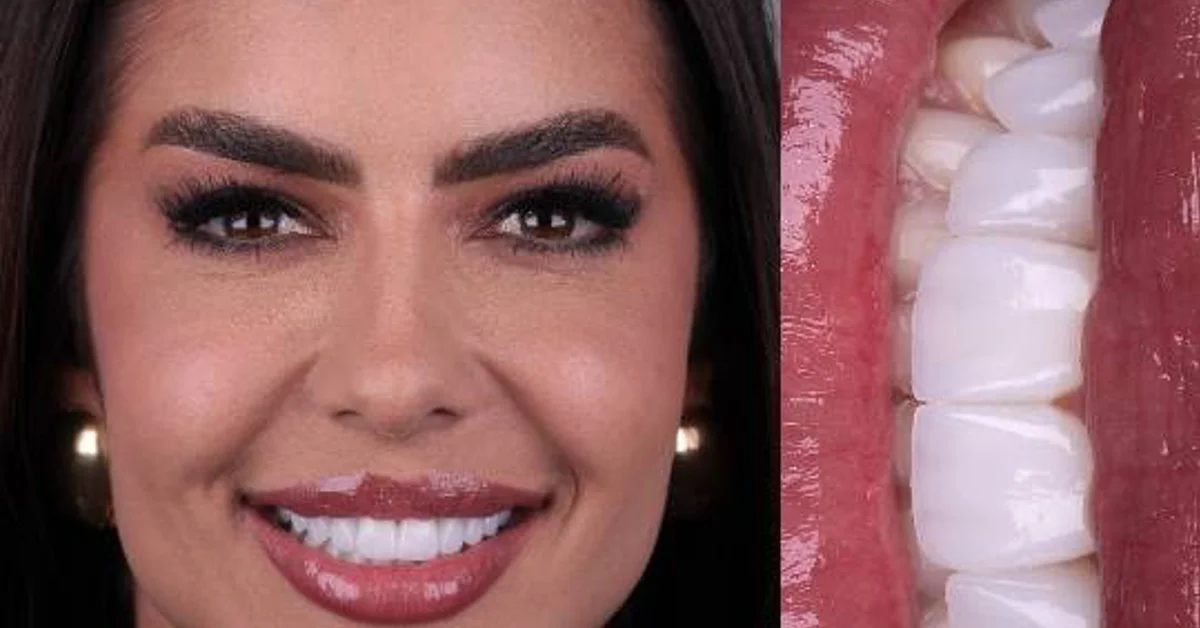
Dental regulators prohibit in marketing everything that turns the profession into retail: promised results, sensationalism, self-promotion with titles the dentist does not hold, price as bait, treatment giveaways, comparative advertising, and exposing patients without consent. The golden rule is simple: dental advertising can inform and educate, but it cannot sell like a store.
In Brazil, where dentraw LAB is based, these rules live in the Code of Dental Ethics and the Advertising Manual of the Federal Council of Dentistry (CFO), enforced by the Regional Councils (CROs) of each state. If you practice elsewhere, the pattern repeats: check the code of ethics and advertising rules of the council, board, or association that regulates the profession in your jurisdiction, because resolutions are updated and details change.
I talk with dentists every week at dentraw LAB and the fear of getting marketing wrong is real: many stop promoting their own work out of fear of a disciplinary process. This article organizes what is prohibited, what is allowed, and how to promote safely.
What exactly is prohibited?
The list below gathers the prohibitions that appear most often in disciplinary cases. It does not replace reading the rules in your country, but it covers the points that take down most practices:
- Promised results: phrases like "guaranteed results", "perfect smile", or "pain-free" are banned, because no treatment has a guaranteed outcome.
- Sensationalism: before and after photos designed to shock, images that humiliate the patient, or content that exploits fear ("if you don't treat this, you'll lose your teeth").
- Improper self-promotion: advertising yourself as "the best", a "reference", or a "specialist" without a registered specialist title.
- Price as bait: price lists with a commercial angle, flash promotions, "last spots", aggressive discounts to close treatment.
- Treatment giveaways and raffles: raffling whitening, cleanings, or veneers is a prohibited commercial practice.
- Comparative advertising and unfair competition: putting down colleagues, comparing prices with other practices, or poaching another professional's patients unfairly.
- Improper patient exposure: publishing a photo, name, or case without free and informed consent, even with the face partially covered when the person is still identifiable.
- Advertising a specialty without the title: only dentists with an officially registered title can advertise themselves as specialists.
What is allowed in dental marketing?
The good news: regulators do not ban marketing, they ban commercialization. What remains is a huge space to work with:
- Educational content: posts explaining treatments, prevention, myths, and care. It is the safest content and the best at building authority.
- Sober professional listings: name, specialty (with title), address, phone, office hours, and insurance plans accepted.
- Before and after with educational purpose: with patient consent, clinical context, and no sensationalist appeal.
- Website, Instagram, and Google Ads: allowed, as long as the content respects the same limits as the physical office.
- Simulations and illustrative materials: illustrative images of procedures, as long as they do not imply a guaranteed result.
The definition I use when explaining this to dentists: allowed advertising informs the patient so they can decide; prohibited advertising pressures the patient so they buy.
How do you use before and after without being disciplined?
Before and after is the format that attracts the most cosmetic patients and the one that generates the most complaints. The difference between allowed and prohibited lies in concrete details:
| Practice | Status |
|---|---|
| Photo with written consent, educational purpose, explained clinical context | Allowed |
| Photo of the same patient without authorization, even without showing the full face | Prohibited |
| Carousel comparing a real case with a technical caption and a note that results vary | Allowed |
| Edited image with filters, shock appeal, or a caption like "guaranteed dream smile" | Prohibited |
| Smile simulation presented as an illustrative preview, not a promise | Allowed, with caution |
Two cautions I always reinforce: keep the signed consent form and never present a simulation or edited image as the final result. At dentraw LAB, Preview generates smile simulations, and I guide users to treat the image as material for the clinical conversation, with the caveat that the outcome depends on the case. Used that way, the simulation educates instead of promising.
What happens when a dentist gets it wrong?
Anyone can file a complaint: a patient, a competitor, or the regulator itself. The disciplinary process follows the local body's procedures, and penalties scale with severity:
- Warning or confidential censure.
- Public censure.
- Suspension of professional practice for a period.
- License revocation, in the most serious or repeated cases.
Beyond the disciplinary process, there is a parallel risk: a patient unhappy with misleading advertising can pursue consumer protection agencies and civil courts. In other words, the same post can create trouble with the regulator and a lawsuit at the same time.
How do you promote your practice safely?
The step-by-step I recommend for anyone who wants to do marketing without losing sleep:
- Read the code of ethics and advertising rules in force from the regulator in your country or state.
- Review everything already published: website, Instagram bio, active ads, signage, and business cards.
- Formalize patient consent for any published photo or case.
- Swap promises for information: instead of "guaranteed results", explain the procedure, indications, and aftercare.
- Register your titles: only advertise specialties that are officially registered.
- If you hire an agency, require in the contract that it knows and follows dental advertising rules. Generic agencies are one of the biggest sources of violations I see.
One lesson Carlos Herton and I brought into dentraw LAB: Carlos has taught more than 4,000 students, and the question "can I post this?" comes up in every class. The answer is almost always the same: if the content informs the patient, you are safe; if it tries to close a sale, the alarm goes off. That simple filter prevents most problems.
FAQ
Can dentists do marketing on the internet? Yes. Dental advertising is allowed as long as it is informative and educational. What regulators prohibit is commercial, sensationalist advertising or anything that promises results.
Can I post a patient's before and after on Instagram? Yes, within limits: you need the patient's consent, an educational purpose, and no sensationalism. Photos that humiliate, shock, or suggest guaranteed results can trigger disciplinary action.
Can a dentist advertise treatment prices? Price cannot be used as bait or as unfair competition. Publishing price lists with a commercial angle, flash promotions, and treatment giveaways are banned practices in most jurisdictions.
What happens if a dentist breaks the advertising rules? The regulator can open a disciplinary process, with penalties ranging from warning and censure to suspension and license revocation, depending on severity and repeat offenses.
Who oversees dental marketing? The dental council, board, or association of each country or state. In Brazil, for example, the Regional Councils (CROs) act under the Federal Council (CFO). Check the regulator in your jurisdiction.
If you want to accelerate your practice's marketing without stepping on any of these rules, talk to people who already work inside them: meet the dentraw LAB partner agencies, specialized in dental marketing.
Related articles
Frequently asked questions
Can dentists do marketing on the internet?
Yes. Dental advertising is allowed as long as it is informative and educational. What regulators prohibit is commercial, sensationalist advertising or anything that promises results.
Can I post a patient's before and after on Instagram?
Yes, within limits: you need the patient's consent, an educational purpose, and no sensationalism. Photos that humiliate, shock, or suggest guaranteed results can trigger disciplinary action.
Can a dentist advertise treatment prices?
Price cannot be used as bait or as unfair competition. Publishing price lists with a commercial angle, flash promotions, and treatment giveaways are banned practices in most jurisdictions.
What happens if a dentist breaks the advertising rules?
The regulator can open a disciplinary process, with penalties ranging from warning and censure to suspension and license revocation, depending on severity and repeat offenses.
Who oversees dental marketing?
The dental council, board, or association of each country or state. In Brazil, for example, the Regional Councils (CROs) act under the Federal Council (CFO). Check the regulator in your jurisdiction.