Dental Universe
What should you ask a dental lab before the first case?
Gabriel Gimenez · Published on September 19, 2026
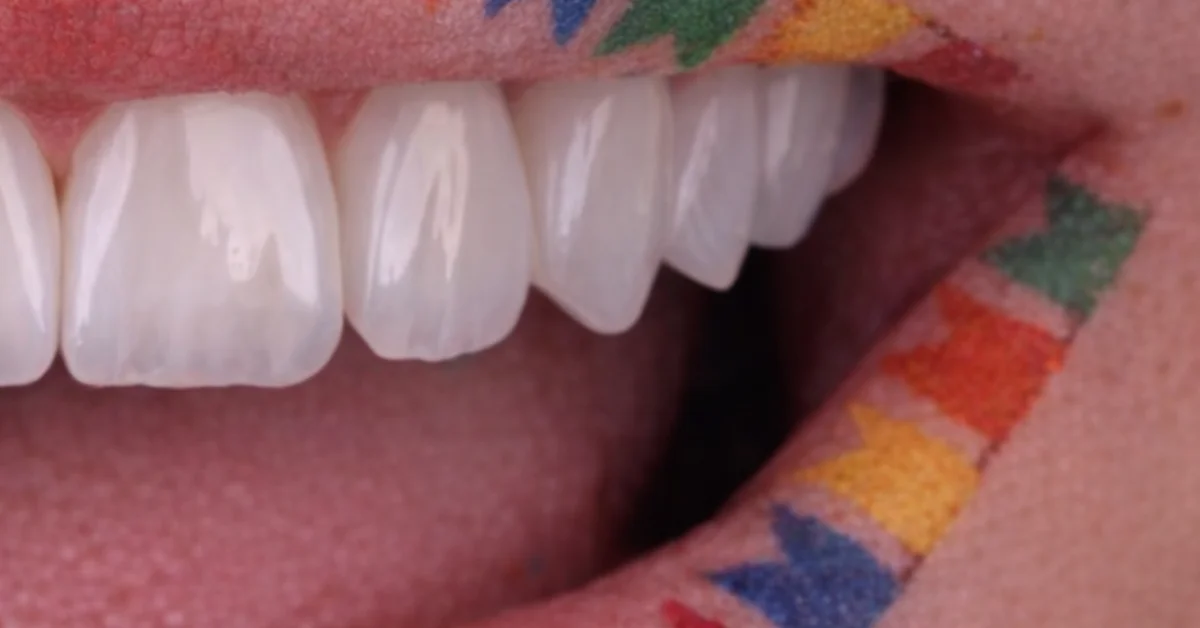
Before sending your first case to a new dental lab, ask five blocks of questions: real production turnaround (not the brochure timeline), which materials and brands they use, what happens when a case needs a remake, how communication works during the case, and who is the technical lead signing off on the work. With those answers in hand, you can anticipate most of the problems that would otherwise show up mid-treatment.
Order matters: ask about process first, price second. A lab that explains its own workflow clearly almost always delivers consistently. One that answers everything with "it depends" without explaining what it depends on is shifting the risk to your chair.
What are the essential questions about turnaround time?
Turnaround is where most frustration starts. Ask specifically:
- What is the average turnaround by type of work (crown, veneer, provisional, full-arch)?
- Is that counted in business days or calendar days, starting when (model arrival, design approval)?
- What percentage of cases run late, and what happens when they do?
- Is there a rush option, and what does it cost?
- How does the lab tell you a case will be late: a call, a message, or you find out on the day of the appointment?
The fifth question is the most revealing. Good labs run late too, but they warn you first. The warning is what lets you reschedule the patient without damaging the relationship.
What should you ask about materials and brands?
Do not just ask "do you work with lithium disilicate?". Ask which brand, which product line, and where the supply comes from. The same ceramic category behaves very differently clinically depending on the manufacturer and the batch.
Also ask for the technical data sheet of what will be used in your case, and check whether the material is registered with the regulatory agency in your country. If the lab hesitates to name the brand of the material, treat that hesitation as an answer.
How does the lab handle remakes and warranty?
This is the question that separates a partner from a vendor. Phrase it like this:
- If a case comes back with fit or shade issues, what is the remake protocol? Is there a cost?
- How fast does a remake enter the queue? Does it get priority?
- Who covers the clinical cost of a remake, like a new provisional and the lost chair time?
A useful definition to align expectations: a serious lab's warranty is the one described in writing, with conditions, timelines, and explicit exceptions. A verbal "we will take care of it" with no protocol is not a warranty, it is friendliness.
How do communication and the digital workflow work?
Ask which channel the lab wants to receive files and discuss cases through: STL files from your intraoral scanner, photos with a shade reference, DICOM files from a CBCT. A lab with a mature digital workflow asks for the right files upfront; one that accepts "whatever you have" tends to send back whatever quality.
I learned this the expensive way. When Carlos and I started mapping labs for dentraw LAB, I talked to dentists who would send a case and only hear from the lab again at delivery. The cases that came back right the first time were always the ones with a conversation in the middle of the process: a wax-up photo approved, a shade question settled before characterization. Today, when I evaluate a partner lab, the question that weighs the most is "at what point in the case do you call the dentist?".
It is also worth asking whether the lab works with visual simulation and approval before production. Tools like Preview, which generates a smile simulation to show the patient, pair well with digital labs because they align expectations before the first bur touches the model.
What should you ask about price without falling for the cheapest option?
Price matters, but it is only comparable when the scope is the same. Ask what the fee includes: working model, try-ins, characterization, contact adjustments, remakes caused by lab error. Two quotes with a noticeable gap can end up costing the same once you add what one of them bills separately.
And ask about volume pricing. If you plan to send cases every month, many labs have loyalty terms that only show up when you ask.
FAQ
How many questions should I ask before sending the first case? There is no magic number, but a checklist of 8 to 12 questions covers turnaround, materials, remakes, communication, and technical responsibility. The goal is to reveal how the lab works, not to memorize answers.
Should I send a test case before a big case? Yes, whenever possible. A simple case, like a single crown, shows the real turnaround time, finish quality, and communication style without putting a high-value esthetic patient at risk.
What is a red flag when talking to a lab? Vague timelines with no commitment, no clear remake protocol, and no identifiable technical lead are classic warning signs. If nothing is in writing, nothing was agreed.
Is it wrong to ask about price right away? No, but price alone says nothing. Ask what is included: try-ins, adjustments, remakes, and planning support completely change the real cost per case.
Where can I find labs to ask these questions? dentraw LAB keeps a directory of partner labs where you can compare profiles and start the conversation with this checklist already in hand.
If you want to put this checklist to work with real labs, meet the dentraw LAB partner labs and start the conversation with the right questions.
Related articles
Frequently asked questions
How many questions should I ask before sending the first case?
There is no magic number, but a checklist of 8 to 12 questions covers turnaround, materials, remakes, communication, and technical responsibility. The goal is to reveal how the lab works, not to memorize answers.
Should I send a test case before a big case?
Yes, whenever possible. A simple case, like a single crown, shows the real turnaround time, finish quality, and communication style without putting a high-value esthetic patient at risk.
What is a red flag when talking to a lab?
Vague timelines with no commitment, no clear remake protocol, and no identifiable technical lead are classic warning signs. If nothing is in writing, nothing was agreed.
Is it wrong to ask about price right away?
No, but price alone says nothing. Ask what is included: try-ins, adjustments, remakes, and planning support completely change the real cost per case.
Where can I find labs to ask these questions?
dentraw LAB keeps a directory of partner labs where you can compare profiles and start the conversation with this checklist already in hand.