Marketing for Dentists
What is the minimum ad budget for a dentist?
Gabriel Gimenez · Published on September 19, 2026
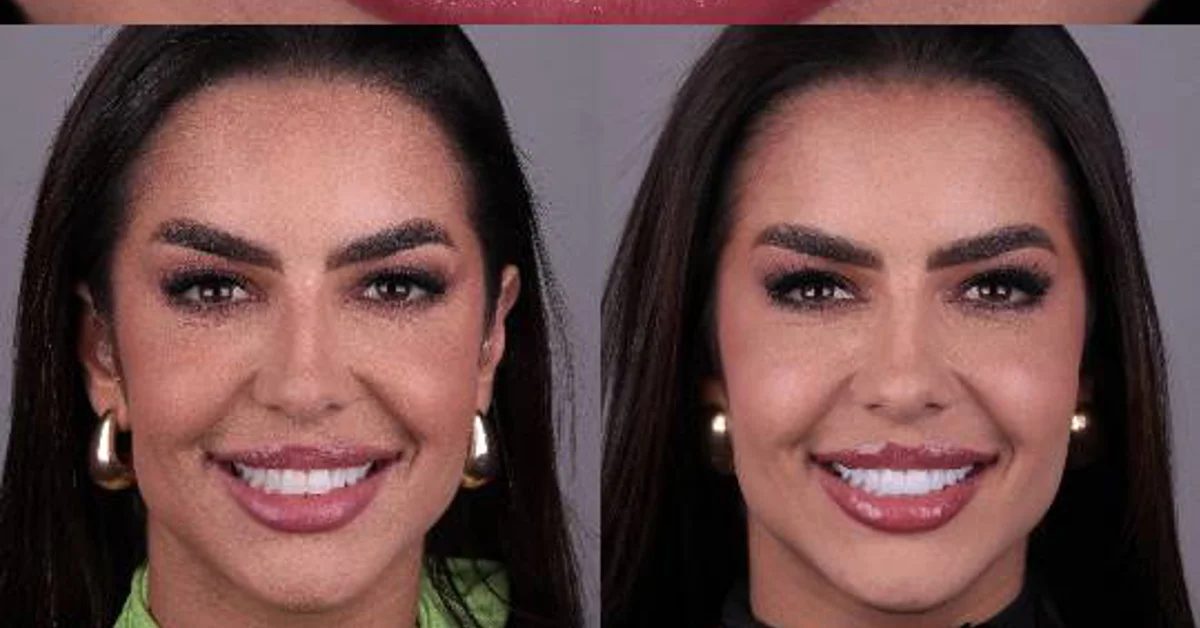
The realistic minimum ad budget for a dentist starts, as a market average, between $200 and $300 per month in ad spend alone, on top of the management cost. Below that level, the campaign still runs, but it generates too little data for the algorithm to learn and for you to judge what works.
The number that matters is not the budget itself, it is the cost per closed patient: if a veneer patient represents thousands of dollars in treatment, paying a few dozen dollars to bring that patient in is a good deal. If the practice only sells cleanings and fillings, that same spend may never pay for itself.
I talk about this every week with dentists who arrive at dentraw LAB, and the pattern repeats: whoever gets stuck on the minimum budget is almost always trying to advertise everything to everyone. Below I show how I would structure that spend if it were my own practice.
What is the minimum viable budget in practice?
There is a technical floor and a strategic floor. The technical floor is the minimum for the ad platform to deliver and optimize: as a market average, something like $7 to $10 per day per campaign, which comes to $200 to $300 per month. The strategic floor is the minimum to generate enough lead volume for your front desk to work with: in most cities, that also lands in this range or slightly above.
| Monthly spend range | What you can do |
|---|---|
| Under $100 | Occasional boosted posts, almost no algorithm learning |
| $200 to $300 | One campaign focused on one service and one area, with data to optimize |
| $400 to $800 | Two or three campaigns, creative and audience tests in parallel |
| Over $1,000 | Full structure with remarketing and multiple services |
These figures are market reference ranges, not a guarantee of results. Big cities with heavy dental competition require larger budgets for the same lead volume.
Why does a very low budget usually turn into wasted money?
Here is my own experience. Before dentraw LAB existed, I followed practices testing paid traffic with $60 or $80 a month. The result was always the same: few clicks, two or three WhatsApp messages, no closed patients, and the conclusion that "ads don't work." The problem was not the channel, it was the sample size. With floor-level spend, the algorithm never leaves the learning phase and you have no statistics to judge anything.
The most common mistake I see is splitting a small budget: a little for whitening, a little for orthodontics, a little for veneers. With a minimum budget, the rule is total concentration:
- Pick a single high-ticket service, such as veneers, dental contact lenses or implants.
- Restrict targeting to your city or your real service area.
- Use two or three strong creatives, preferably before-and-after shots or simulations.
- Run for at least 30 days before judging.
- Measure cost per conversation started and per booked appointment, not likes.
How does the advertised service change the budget?
The service sets the ceiling and the floor of the budget, because it sets the value of a patient. A simple way to think about it: the acceptable acquisition cost is a small fraction of the treatment value.
- Veneers and dental contact lenses: high ticket, supports paying more per lead, usually the best service to start with on a minimum budget.
- Implants and dentures: heavy competition and expensive clicks, requires a larger budget to compete.
- Cleanings and prevention: low ticket, almost never pays off with direct paid traffic; works better as an entry offer in a well-tuned campaign.
- Facial harmonization and aesthetics in general: strong demand on Instagram, where before-and-after creatives make the difference.
If your budget is minimal, the most important decision is not the platform, it is the service. One veneer patient closes a treatment cycle that pays for months of ads. One cleaning patient does not even pay for the click.
Where does content fit into the traffic math?
The traffic budget is not only ad spend: it includes the cost of producing what you will advertise. A bad ad with good spend burns money faster. This is where I see the biggest waste: practices paying for management and media while running ads with generic stock photos.
At dentraw LAB we built exactly that layer: smile simulation in Preview, themed carousels and transformation videos generated from the practice's real photos. The platform's pricing follows a simple logic, a subscription for constant use and pay-per-use credits for occasional needs, and I break it all down in the article on how much dentraw LAB costs. A single cosmetic patient closed thanks to a better creative pays for the tool for a long time. If you want to see it in practice, start your free trial now.
When is it worth hiring an agency instead of running ads yourself?
Self-management works when the budget is minimal and you have time to learn the basics of the ads manager. The turning point usually comes when spend passes a few thousand dollars or when you need a landing page, tracking and fresh creatives every month. At that stage, the fee of a dental-specialized agency usually pays for itself in avoided waste.
Before signing, check three things: whether the agency reports cost per booked appointment and not just clicks, whether you keep full access to your ad account, and whether the contract does not lock you in for a year. Advertising rules in healthcare vary by state and country, so confirm the current regulation with your professional board before launching campaigns.
FAQ
What is the minimum ad budget for a dentist to start? As a market average, from about $200 to $300 per month in ad spend alone, plus whoever manages the campaigns. Below that, the data volume is usually too small to optimize anything.
Does paid traffic work for a small dental practice? It does, as long as the budget is concentrated on one city or area and on one or two high-ticket services, like veneers or implants. Spreading a small budget across many services dilutes the result.
How much does a dental patient lead cost? It varies a lot by city and service. As a market average, cosmetic dentistry leads often cost a few dollars each, while implant leads can cost significantly more because of competition.
Should I advertise on Google or Instagram? The two networks play different roles. Google captures people already searching for a dentist, Instagram creates desire in people who were not searching yet. With a minimum budget, start where your purchase intent is clearest.
Do I need an agency or can I run ads myself? You can start on your own with simple campaigns, but professional management usually pays for itself once spend passes a few thousand dollars, because it avoids waste on wrong targeting and bad tests.
If you would rather focus on patient care and leave campaigns, creatives and optimization to people who live this every day, meet the dentraw LAB partner agencies, specialized in marketing for dentists.
Related articles
Frequently asked questions
What is the minimum ad budget for a dentist to start?
As a market average, from about $200 to $300 per month in ad spend alone, plus whoever manages the campaigns. Below that, the data volume is usually too small to optimize anything.
Does paid traffic work for a small dental practice?
It does, as long as the budget is concentrated on one city or area and on one or two high-ticket services, like veneers or implants. Spreading a small budget across many services dilutes the result.
How much does a dental patient lead cost?
It varies a lot by city and service. As a market average, cosmetic dentistry leads often cost a few dollars each, while implant leads can cost significantly more because of competition.
Should I advertise on Google or Instagram?
The two networks play different roles. Google captures people already searching for a dentist, Instagram creates desire in people who were not searching yet. With a minimum budget, start where your purchase intent is clearest.
Do I need an agency or can I run ads myself?
You can start on your own with simple campaigns, but professional management usually pays for itself once spend passes a few thousand dollars, because it avoids waste on wrong targeting and bad tests.