Laboratories & Materials
How much does a porcelain veneer cost at the lab?
Gabriel Gimenez · Published on September 19, 2026
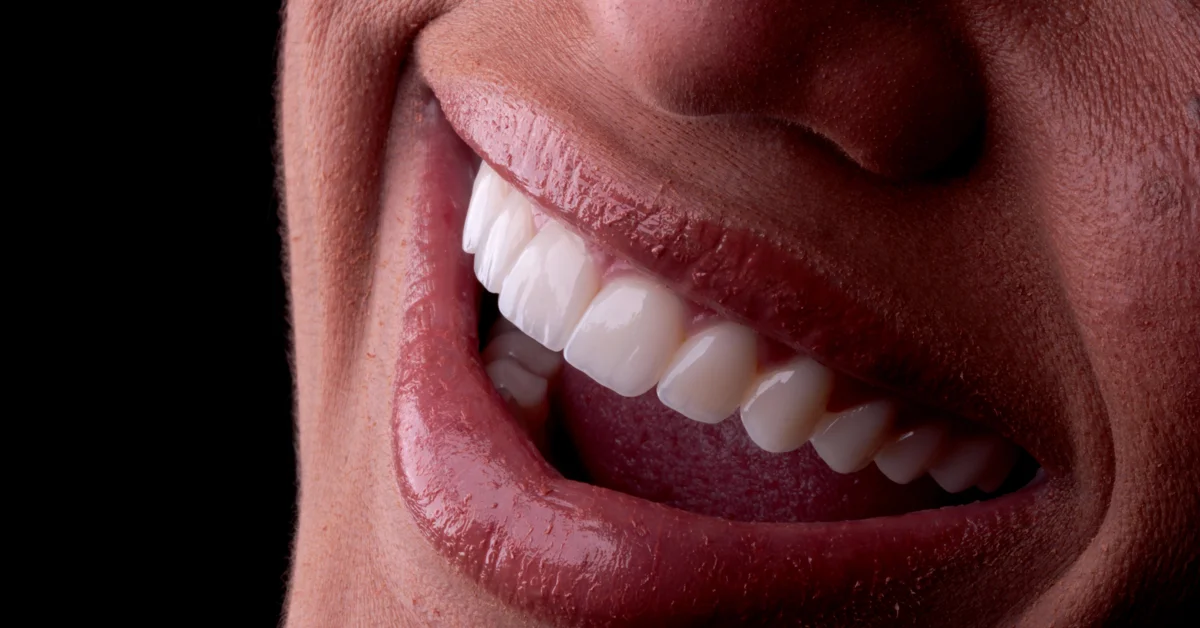
On market average, a porcelain veneer costs the dentist between USD 80 and USD 250 per unit at the dental lab. The range is wide because the price shifts with three main factors: the type of ceramic (lithium disilicate, feldspathic, hybrid ceramic), the fabrication technique (hand layering, pressing or digital milling) and the level of aesthetic characterization the case demands.
That is what the lab charges the dentist, not the final price to the patient. The patient price adds the lab cost, clinical fees, tooth preparation, provisionals and bonding, and usually sits well above the cost of the unit itself.
Below I break down what drives the price, what is normally included in the quote and how I compare labs without falling into the trap of picking the lowest number.
How much does each lab tier cost?
From conversations with partner labs and dentists who use dentraw LAB, the market roughly falls into these tiers per unit:
| Tier | Approximate price per unit | What it usually includes |
|---|---|---|
| Budget | From USD 80 | Milled or pressed units with standard finish, minimal characterization |
| Mid-range | USD 120 to USD 180 | Disilicate with surface staining and refined polishing |
| Premium | USD 180 to USD 250 or more | Hand-layered work by a senior ceramist, full internal characterization |
These numbers are market references, not a fixed price list. Country, case volume and your relationship with the lab all change the final figure. At dentraw LAB we are collecting the price ranges practiced by the labs in our directory and will update this article once the data is consolidated.
What makes veneer pricing vary so much?
The four factors that weigh most on a lab quote:
- Material. Pressed lithium disilicate, milled disilicate and feldspathic porcelain have different input and process costs. Blocks and ingots from established brands cost the lab more, and that reaches the invoice.
- Fabrication technique. A unit milled in a digital workflow has a lower production cost. A hand-layered veneer takes hours from a ceramist, and senior ceramist time is the most expensive line on the bill.
- Aesthetic level. Central incisor cases that need internal characterization, halo effects, texture and translucency require more layers and more firing cycles. More firings, more cost.
- Volume and recurrence. Dentists who send cases every month negotiate better price lists. One-off cases usually pay full price.
What is included in the lab price?
Before comparing two quotes, confirm the scope of each one. In general, the per-unit price covers the finished veneer with characterization and polishing, but these items may come separately:
- Diagnostic wax-up and mock-up
- Preparation guide and reduction guide
- Bisque or PMMA try-in
- Remakes for shade or fit adjustments
- Shipping and transport insurance
I learned this firsthand talking to a partner dentist who signed with a lab because it had the cheapest price list, then found out every try-in and every remake was billed separately. By the end of a 10-unit case, the cheap option cost more than the competitor's premium quote. Since then, my standard recommendation is to always ask for a closed per-case quote with the scope in writing.
How do I compare labs beyond the price?
Price is a data point, not the decision. This is what I look at when evaluating a veneer lab:
- Real portfolio. Photos of actual cases made by the lab, ideally with lip retraction and frontal light, not just 3D renders.
- Average turnaround time. Ask for the real turnaround, not the brochure number. A lab that runs late disrupts the whole office schedule.
- Remake policy. Who pays for a remake when the issue is shade, fit or fracture? That needs to be clear before the first case.
- Communication. A good lab asks for patient photos, shade references and aesthetic expectations before starting. If nobody asks anything, be suspicious.
- Digital workflow. Labs that accept intraoral scans shorten turnaround and reduce impression errors.
How much of that cost reaches the patient?
The lab cost is one slice of the final price. The dentist adds the unit, preparation and bonding fees, provisionals, wax-up and chair time. That is why a veneer that costs USD 150 at the lab can appear on the patient's treatment plan at much higher figures, and that is legitimate: the patient is paying for the complete clinical outcome, not the isolated unit.
If you want the math from the patient's point of view, the article on how much a full smile with veneers costs details the final treatment ranges.
FAQ
What is the price range for a porcelain veneer at the lab? On market average, the lab charges the dentist between USD 80 and USD 250 per unit. The biggest factors are the type of ceramic, the fabrication technique and the level of aesthetic characterization.
Why does the price vary so much between labs? Because the price bundles different materials, different equipment and, above all, the ceramist's time. A veneer hand-layered by a senior ceramist costs more than a unit milled in a fully digital workflow.
Is a lithium disilicate veneer more expensive than a feldspathic one? In most labs, yes. Lithium disilicate usually sits in the mid to high range, while feldspathic work depends more on the ceramist's labor. Ask for the per-material price list before committing to a case.
What is usually included in the lab price? Typically the finished unit with characterization and polishing. Diagnostic wax-up, mock-up, preparation guide and remakes may be billed separately, so confirm the scope before approving the quote.
How do I compare labs without looking only at price? Ask for real case photos, average turnaround time, remake policy and the per-material price list. A slightly more expensive lab with predictable delivery often ends up cheaper by the end of the month.
If you are looking for a veneer lab for your cases, at dentraw LAB Carlos and I keep a partner lab directory where you can find options by region and specialty.
Related articles
Frequently asked questions
What is the price range for a porcelain veneer at the lab?
On market average, the lab charges the dentist between USD 80 and USD 250 per unit. The biggest factors are the type of ceramic, the fabrication technique and the level of aesthetic characterization.
Why does the price vary so much between labs?
Because the price bundles different materials, different equipment and, above all, the ceramist's time. A veneer hand-layered by a senior ceramist costs more than a unit milled in a fully digital workflow.
Is a lithium disilicate veneer more expensive than a feldspathic one?
In most labs, yes. Lithium disilicate usually sits in the mid to high range, while feldspathic work depends more on the ceramist's labor. Ask for the per-material price list before committing to a case.
What is usually included in the lab price?
Typically the finished unit with characterization and polishing. Diagnostic wax-up, mock-up, preparation guide and remakes may be billed separately, so confirm the scope before approving the quote.
How do I compare labs without looking only at price?
Ask for real case photos, average turnaround time, remake policy and the per-material price list. A slightly more expensive lab with predictable delivery often ends up cheaper by the end of the month.