Laboratories & Materials
Is it worth it for a dental lab to invest in a CAD/CAM milling machine?
Gabriel Gimenez · Published on September 19, 2026
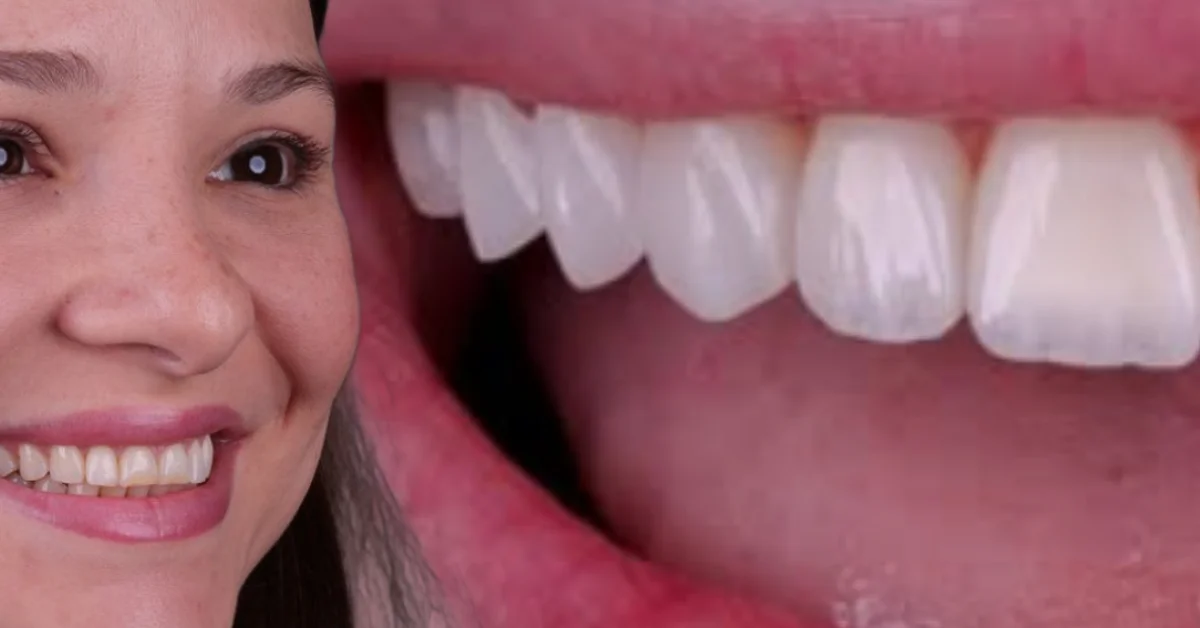
It is worth it when three conditions come together: enough digital case volume to keep the machine busy, someone on the team who masters CAD design, and capital you will not miss during the payback period. Without those three, the mill becomes expensive equipment sitting idle in a corner, and outsourcing milling to a dedicated center is usually the financially smarter call.
The short answer: for a lab already receiving scans every week and milling dozens of frameworks per month, an in-house mill tends to pay for itself in 1 to 3 years and becomes a competitive edge. For a lab still living off conventional impressions with few digital cases, the first step is not buying a machine: it is entering the digital workflow by outsourcing milling and building demand first.
Below I walk through the math I would run myself before signing a purchase order, with costs, scenarios and the mistakes I have seen labs make on this exact decision.
How much does it cost to set up a milling operation?
The machine's sticker price is just the entry fee. Benchtop zirconia mills start in the tens of thousands of dollars, and high-production units with automatic disc changers run well into six figures. The real investment includes:
- The milling machine: 4 or 5 axes, dry or wet depending on materials.
- Computer and CAD/CAM software: design licenses and milling strategy software, often with monthly fees or annual renewals.
- Sintering furnace: mandatory for zirconia, with its own price ranges.
- Ongoing consumables: burs that wear out, zirconia discs and blocks, lithium disilicate, PMMA, wax and metal.
- Maintenance and calibration: service contracts or on-call technicians, plus spare parts.
- Training: team hours until design, nesting and finishing are second nature.
A rule of thumb I use when talking with labs: first-year total cost usually lands well above the machine price. Labs that budget by looking only at the equipment price tend to get a surprise around month three.
When does the machine pay for itself?
Payback depends on one simple variable: how many units you would mill per month and what you pay today to outsource each one. Here is the math:
- Add up what you spent over the last six months on outsourced milling, including shipping.
- Divide by the number of units milled to get your average outsourced cost per unit.
- Estimate your in-house cost per unit: material, burs, power, staff time and machine depreciation.
- The difference between the two, multiplied by your monthly volume, shows how many months the machine takes to pay for itself.
As a qualitative market reference: labs with high, steady zirconia volume typically recover the investment in 1 to 3 years. Below roughly ten milling jobs per week, the math rarely works, because the machine's fixed cost outweighs the per-unit savings.
| Lab profile | Most common decision |
|---|---|
| Few digital cases, runs on conventional impressions | Outsource milling and invest in winning dentists with scanners |
| Dozens of milling jobs per week, CAD-skilled team | In-house mill tends to pay back in 1 to 3 years |
| High volume, multiple materials, tight deadlines | In-house mill plus a partner center for peak overflow |
| New lab, tight cash flow | Do not buy: demand first, machine later |
Outsource or mill in-house?
Outsourcing is not defeat, it is a legitimate entry strategy into digital. The lab receives the dentist's scan file, designs in CAD and sends it to a milling center that returns the finished framework. The technician focuses where the value is: design, characterization and finishing.
The real trade-offs I see:
- Turnaround: milling in-house cuts logistics days and you control the queue. Outsourcing means depending on the center's schedule and shipping.
- Cost per unit: at low volume, outsourcing is cheaper. At high volume, in-house units cost less and margins improve.
- Quality: a good milling center runs latest-generation machines a mid-size lab would never buy. But full in-house process control reduces adjustment rework.
- Capital: outsourcing ties up no cash. Buying locks up capital that could go to marketing, hiring or inventory.
A partner lab at dentraw LAB told me a typical story: he bought the mill before he had digital demand, convinced by the salesperson that "the dentists would come." The machine sat underused for months while he chased scanner-owning clients. When Carlos and I talk with labs, the recommendation is always the reverse order: demand first, machine second.
What changes in the lab's daily routine?
The mill does not eliminate the technician, it changes the profile of the work. A lab milling in-house operates like this:
- Receives the dentist's scan in an open file format.
- Designs in CAD software, setting margins and anatomy.
- Nests the unit in the disc or block and defines the milling strategy.
- Runs the milling, which takes from minutes to a few hours depending on the material.
- Sinters in the furnace, for zirconia, following the heating cycles.
- Characterizes, layers or cements, depending on the case.
Labs that gain speed in this flow hit turnaround times analog competitors cannot match, and turnaround is one of the strongest arguments for winning dentists. If you want to understand each step, I wrote about it in the article on the digital workflow in dental prosthetics.
How does the mill affect your final unit pricing?
With your own machine, the marginal cost of each framework drops, but a new fixed cost appears: depreciation and maintenance. Your price to the dentist has to cover both. Labs that do not recalculate their price list after buying make a classic mistake: they keep pricing as before and discover at year-end that the machine ate the margin.
If you are revisiting your price list, I broke down the cost logic in the article on how a lab prices a veneer. One more thing: equipment and materials used in prosthesis manufacturing must comply with the health regulations in force in your country, so check the current rules before approving suppliers and consumables.
FAQ
How much does a CAD/CAM milling machine cost for a dental lab? Benchtop zirconia mills start in the tens of thousands of dollars, and high-production models run well into six figures. Add software, burs, blanks, a sintering furnace and maintenance to get the real cost.
How long does a milling machine take to pay for itself? It depends on volume. Labs milling dozens of units per week typically see payback in 1 to 3 years. Below that volume, outsourcing to a milling center is usually cheaper.
Can I go digital without owning a milling machine? Yes. Many labs receive scans, design in CAD and send the file to a milling center. That gets you into digital without tying up capital in equipment.
4-axis or 5-axis mill: which should I choose? For routine copings, crowns and veneers in zirconia and lithium disilicate, a 5-axis machine gives more angulation freedom and less rework. 4-axis machines serve lower volumes at a lower entry price.
Does a milling machine replace the ceramist? No. The machine handles milling, but planning, CAD design, characterization and finishing still depend on the technician's skill. The lab's profile changes, it does not disappear.
If your lab wants to attract dentists who already scan and value turnaround, the first step is being found by them: list your lab for free on dentraw LAB.
Related articles
Frequently asked questions
How much does a CAD/CAM milling machine cost for a dental lab?
Benchtop zirconia mills start in the tens of thousands of dollars, and high-production models with automatic disc changers run well into six figures. Add software, burs, blanks, a sintering furnace and maintenance to get the real cost.
How long does a milling machine take to pay for itself?
It depends on volume. Labs milling dozens of units per week typically see payback in 1 to 3 years. Below that volume, outsourcing to a milling center is usually cheaper.
Can I go digital without owning a milling machine?
Yes. Many labs receive scans, design in CAD and send the file to a milling center. That gets you into digital without tying up capital in equipment.
4-axis or 5-axis mill: which should I choose?
For routine copings, crowns and veneers in zirconia and lithium disilicate, a 5-axis machine gives more angulation freedom and less rework. 4-axis machines serve lower volumes at a lower entry price.
Does a milling machine replace the ceramist?
No. The machine handles milling, but planning, CAD design, characterization and finishing still depend on the technician's skill. The lab's profile changes, it does not disappear.