Dental Universe
How does a dental lab calculate the price of a veneer?
Gabriel Gimenez · Published on September 19, 2026
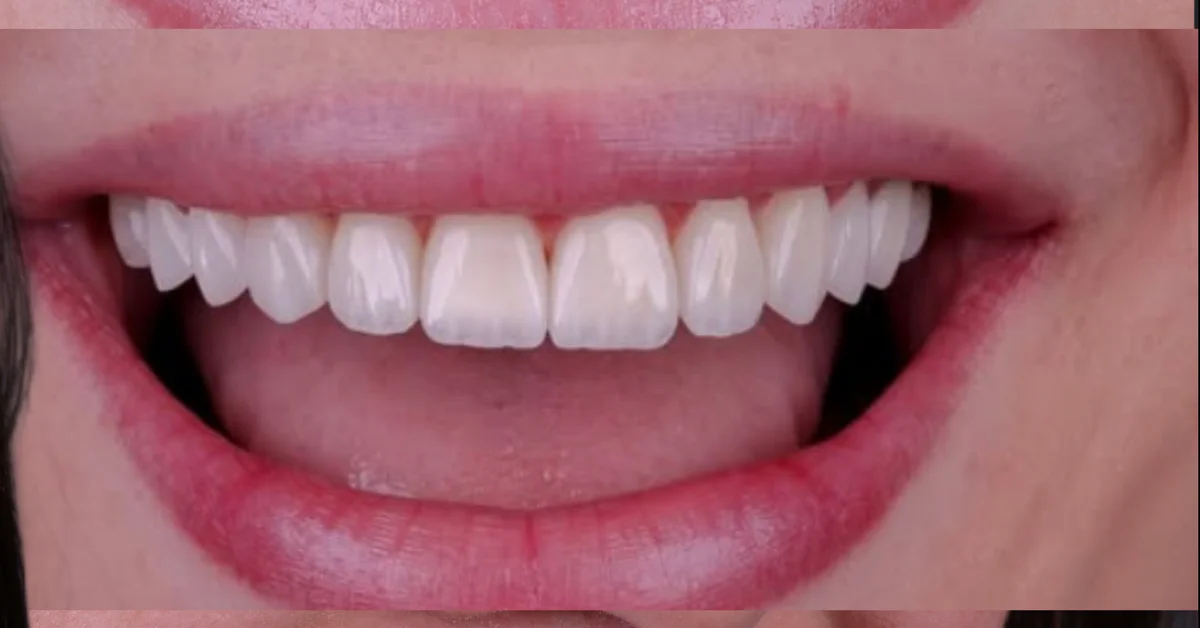
A veneer price at the lab does not come from a fixed table. It is the sum of four factors: the ceramic material, the ceramist's bench time, the complexity of the case and the lab's structure (workflow, turnaround, logistics and remake policy). Two labs can quote very different prices for the "same" veneer because, in practice, they are delivering different products.
In one sentence: the lab prices the cost of the unit plus the value of the technical and artistic time it consumes, with a margin to keep the operation running.
Below I break down each factor in the order it enters the quote. It is the same reasoning I use when talking with the partner labs at dentraw LAB.
What factors go into the price of a veneer?
These are the components that show up in virtually every lab quote:
| Factor | What changes in the price |
|---|---|
| Ceramic material | Lithium disilicate, feldspathic, hybrid resin: each block or paste has its own cost and indication range |
| Ceramist time | Characterization layers, stratification, contact and texture: the more hand-layered bench work, the higher the price |
| Case complexity | Diastema closure, shape change, darkened tooth, planning with a silicone index: each demands extra steps |
| Digital workflow | Scanner, software, milling unit or printer: the equipment investment is amortized into the per-unit price |
| Turnaround | Rush delivery usually carries an urgency fee |
| Logistics | Pickup, shipping, freight and, in some cases, the cost of remote work across regions |
| Remake policy | Labs that absorb adjustments build that risk into the price |
The weighting order, in most labs I know: bench time first, then material, then the rest. In high-esthetic anterior veneers, the ceramist's time accounts for the largest share of the final price.
How does the material influence the price of a veneer?
The ceramic block is only the raw material, but it defines much of the technical path. A pressed or milled lithium disilicate has a different supply cost than a feldspathic ceramic layered one coat at a time. Feldspathic demands more hand work, so even with a cheaper supply the final unit can cost more, because the ceramist spends hours on stratification.
Hybrid resin and PMMA sit in another bracket: lower material cost, faster production, more provisional indications. When a dentist asks me why a porcelain veneer costs more than a composite one at the lab, the short answer is: material, bur wear, finishing time and expected durability of the unit, in that order.
How much does the ceramist's time weigh in the math?
A lot, and this is where the gap between labs shows up. A veneer is always esthetic, and esthetics is time. Internal characterization, mamelon effect, halo, surface texture and hand polishing take hours from an experienced technician, and a senior ceramist's hour is the most expensive input in the lab.
One lesson Carlos and I learned while talking with labs when we built the dentraw LAB directory: the cheapest labs are not always saving on material. Most of the time they save on bench time, and that is what the dentist notices at try-in. That is why comparing price without comparing the esthetic standard of the work leads to a bad decision.
Does a digital workflow make the veneer more expensive or cheaper?
It depends on the case. In a digital workflow, the lab scans the model, designs the veneer in software and mills or prints the unit. Manual time drops, but there is amortization of the scanner, milling unit, software licenses and maintenance. For hybrid resin or milled disilicate units, digital tends to lower the per-unit cost.
In demanding anterior cases, the common setup is hybrid: digital design for shape and fit, manual characterization on top. In that scenario the lab stacks both costs, and the veneer gets more expensive, with the advantage of reproducibility and clearer communication with the office. If you want the full picture, I wrote an article on what digital workflow means in dental prosthetics.
Why do larger cases usually carry a lower per-unit price?
- Scanning and planning happen once for the whole case, not per unit.
- Wax-up and try-ins are centralized: one bench session covers several veneers.
- Shipping logistics happen once, not ten times.
- The ceramist settles into a rhythm of repeating shade and texture, which reduces time per unit.
That is why an 8 to 10 veneer case usually has a lower per-unit price than a single standalone veneer. The case's fixed cost is spread across the units, and that discount is legitimate, not a favor.
How do you compare lab quotes fairly?
Compare scope with scope. Before looking at the final number, check in each quote:
- Material and ceramic system indicated (name of the block or product line, not just "porcelain")
- Number of characterization steps and finishing included
- Production turnaround and rush fees
- Remake and adjustment policy
- Technical support for the office during try-in and cementation
Only after that does the final number start to mean anything. A quote 30% higher that includes full characterization, assisted try-in and a guaranteed remake policy can end up cheaper at the end of the case than the lowest number on the table.
FAQ
Why do two labs quote such different prices for the same veneer? Because material, the ceramist's bench time, the number of ceramic layers and the finishing vary widely between labs. A cheaper unit usually means less hand-layered time and a different grade of materials, which changes the esthetic outcome.
What weighs more in a veneer's price: material or labor? In most cases, the ceramist's labor outweighs the ceramic block itself. In high-esthetic veneers, characterization time is what defines both the result and the price.
Does a digital workflow make veneers cheaper or more expensive? It depends. Milling cuts manual time on single units, but the lab amortizes the scanner, printer and milling unit into the price. In anterior cases, digital is combined with manual characterization, and then the cost goes up.
Do labs charge differently for a single veneer and a 10-veneer case? Yes. Larger cases usually carry a lower per-unit price because scanning, wax-up and shipping happen once for the whole case. The fixed cost is spread across the units.
Is remakes and adjustment work included in the veneer price? It varies by lab. Many include one adjustment at no charge when the deviation comes from the lab; adjustments caused by a change in the office's planning are usually billed. Align on this before committing to the case.
How do I compare lab quotes without making a mistake? Compare scope, not just the number: material, ceramic system, number of characterization steps, turnaround, remake policy and technical support. An item-by-item comparison table keeps you from treating different services as identical.
If you want to compare labs against these criteria in practice, the dentraw LAB lab directory gathers partners with detailed technical profiles so you can evaluate them before requesting a quote.
Related articles
Frequently asked questions
Why do two labs quote such different prices for the same veneer?
Because material, the ceramist's bench time, the number of ceramic layers and the finishing vary widely between labs. A cheaper unit usually means less hand-layered time and a different grade of materials, which changes the esthetic outcome.
What weighs more in a veneer's price: material or labor?
In most cases, the ceramist's labor outweighs the ceramic block itself. In high-esthetic veneers, characterization time is what defines both the result and the price.
Does a digital workflow make veneers cheaper or more expensive?
It depends. Milling cuts manual time on single units, but the lab amortizes the scanner, printer and milling unit into the price. In anterior cases, digital is combined with manual characterization, and then the cost goes up.
Do labs charge differently for a single veneer and a 10-veneer case?
Yes. Larger cases usually carry a lower per-unit price because scanning, wax-up and shipping happen once for the whole case. The fixed cost is spread across the units.
Is remakes and adjustment work included in the veneer price?
It varies by lab. Many include one adjustment at no charge when the deviation comes from the lab; adjustments caused by a change in the office's planning are usually billed. Align on this before committing to the case.
How do I compare lab quotes without making a mistake?
Compare scope, not just the number: material, ceramic system, number of characterization steps, turnaround, remake policy and technical support. An item-by-item comparison table keeps you from treating different services as identical.