Laboratories & Materials
What is a digital workflow in dental prosthetics?
Gabriel Gimenez · Published on September 19, 2026
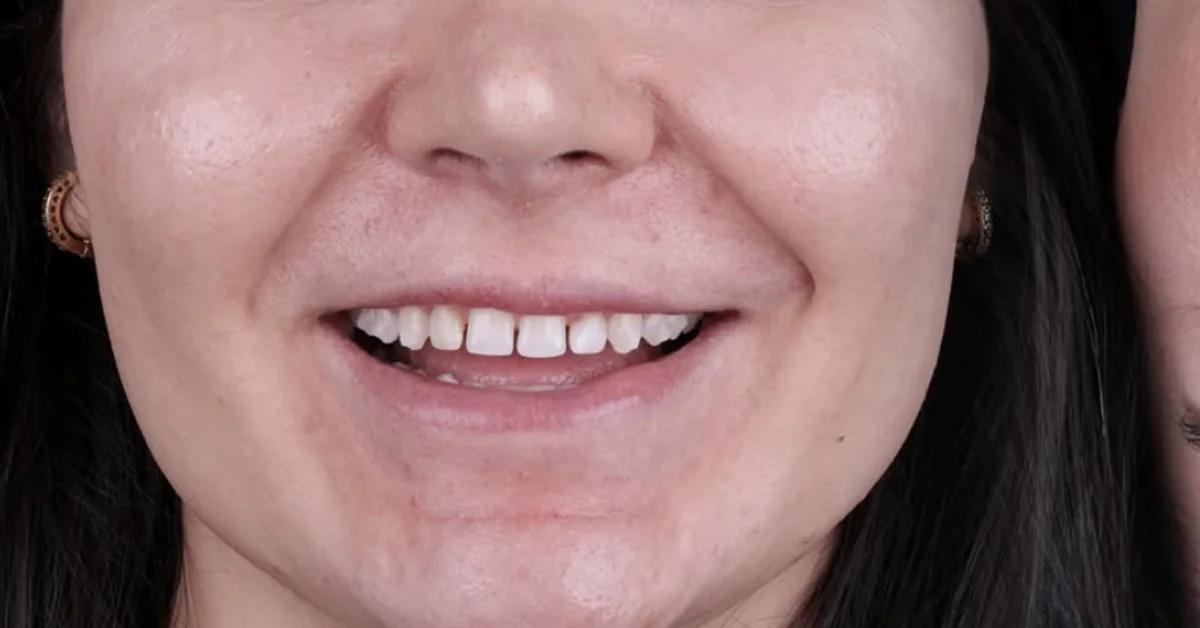
A digital workflow in dental prosthetics is the process where every stage, from intraoral scanning to finishing the restoration, is connected through software: the dentist scans the patient's mouth, sends the file to the lab, the technician designs the restoration in CAD, and it is milled or 3D printed before finishing. Impression material and gypsum models leave the picture in most cases.
The practical difference for the dentist is predictability: a digital file does not warp in transit, the design can be reviewed on screen before production, and turnaround drops from ranges of 10 to 15 business days to around 3 to 7 days at many labs. For the patient, it means fewer adjustment appointments.
What are the stages of a digital prosthetic workflow?
The full flow, from the dental office to delivery, follows this sequence:
- Intraoral scanning: the dentist captures the arch with an intraoral scanner and generates a 3D file (usually STL).
- Digital submission: the file reaches the lab through an online platform, with no courier, no tray, no gypsum.
- CAD design: the dental technician designs the restoration in software, controlling contacts, occlusion, and anatomy.
- Validation: at good labs, the dentist approves the design on screen before production.
- CAM fabrication: the restoration is milled from a ceramic block or 3D printed, depending on the material.
- Finishing: characterization, glazing, and quality control, which remain manual at most labs.
- Delivery and try-in: because the internal fit comes from a precise scan, the try-in tends to be shorter.
What is the difference between digital and analog workflows?
| Stage | Analog workflow | Digital workflow |
|---|---|---|
| Mouth registration | Impression material | Intraoral scanning |
| Transport | Courier with physical model | File transfer in minutes |
| Restoration design | Manual wax-up | CAD software design |
| Fabrication | Investing, casting, or manual resin | Milling or 3D printing |
| Corrections | New impression if something fails | Adjust the file and produce again |
| Typical turnaround | Range of 10 to 15 business days | Range of 3 to 7 days |
Handcrafted finishing does not disappear in the digital flow: characterizing a ceramic veneer still depends on the ceramist's hands. What changes is the foundation, which starts from precise data instead of a gypsum model.
Is a digital workflow worth it for a small lab?
Yes, and the path does not require buying a milling machine on day one. I talk every week with partner labs at dentraw LAB, and the pattern I have seen work is entering through design: the lab starts accepting scan files from dentists, designs in CAD, and outsources milling to a production center. When volume justifies it, the lab brings the machine in-house.
I learned this by watching a partner lab nearly give up on digital after pricing the full package at once: benchtop scanner, milling unit, and furnace. Once it broke adoption into stages, starting by receiving STL files and designing, the workflow paid for itself in months, not years. The common mistake is thinking digital is all or nothing.
What does a dentist need to work with a digital lab?
The essentials fit in three points:
- Intraoral scanner or scanning partner: no digital file, no digital flow. Some labs accept scanning your gypsum model, which works as a transition.
- Clear prescription: photos, shade selection, and contour notes sent along with the file. Digital cannot guess what the dentist wants.
- Design approval: set aside time to review the project on screen before authorizing milling. That stage is what prevents rework.
If you still take physical impressions, the first conversation with the lab is asking whether it can scan your models. Many digital labs offer that bridge, and for documentation and product registration requirements it is worth checking the current regulations in your jurisdiction.
FAQ
Does a digital workflow eliminate impression material? For most single-unit and small prosthetic cases, yes. Intraoral scanning replaces the physical impression. Extensive cases, such as full-mouth rehabilitations, may still combine analog steps depending on the lab and the clinic.
Can a small lab adopt a digital workflow? Yes, starting with the design stage. The lab can receive scans from dentists, design in CAD software, and outsource milling or printing until it has enough volume to justify buying its own equipment.
Is a digital workflow more expensive for the dentist? The cost per case usually stays close to analog, and at volume it can be lower. The real savings come from less rework, fewer adjustment appointments, and more predictable turnaround times.
What changes in turnaround time with a digital workflow? Cases that took 10 to 15 business days in the analog flow can drop to ranges of 3 to 7 days digitally, because model shipping, gypsum pouring, and much of the manual adjustment disappear.
How do I know if a lab works with a digital workflow? Ask whether it accepts intraoral scan files (formats like STL), which software it designs in, and whether it mills or prints in-house. Labs with a digital workflow answer that in a minute.
If you are looking for labs already running a digital workflow for your cosmetic cases, see the dentraw LAB partner labs.
Related articles
Frequently asked questions
Does a digital workflow eliminate impression material?
For most single-unit and small prosthetic cases, yes. Intraoral scanning replaces the physical impression. Extensive cases, such as full-mouth rehabilitations, may still combine analog steps depending on the lab and the clinic.
Can a small lab adopt a digital workflow?
Yes, starting with the design stage. The lab can receive scans from dentists, design in CAD software, and outsource milling or printing until it has enough volume to justify buying its own equipment.
Is a digital workflow more expensive for the dentist?
The cost per case usually stays close to analog, and at volume it can be lower. The real savings come from less rework, fewer adjustment appointments, and more predictable turnaround times.
What changes in turnaround time with a digital workflow?
Cases that took 10 to 15 business days in the analog flow can drop to ranges of 3 to 7 days digitally, because model shipping, gypsum pouring, and much of the manual adjustment disappear.
How do I know if a lab works with a digital workflow?
Ask whether it accepts intraoral scan files (formats like STL), which software it designs in, and whether it mills or prints in-house. Labs with a digital workflow answer that in a minute.