Dental Universe
After how many years do veneers need to be replaced?
Gabriel Gimenez · Published on September 19, 2026
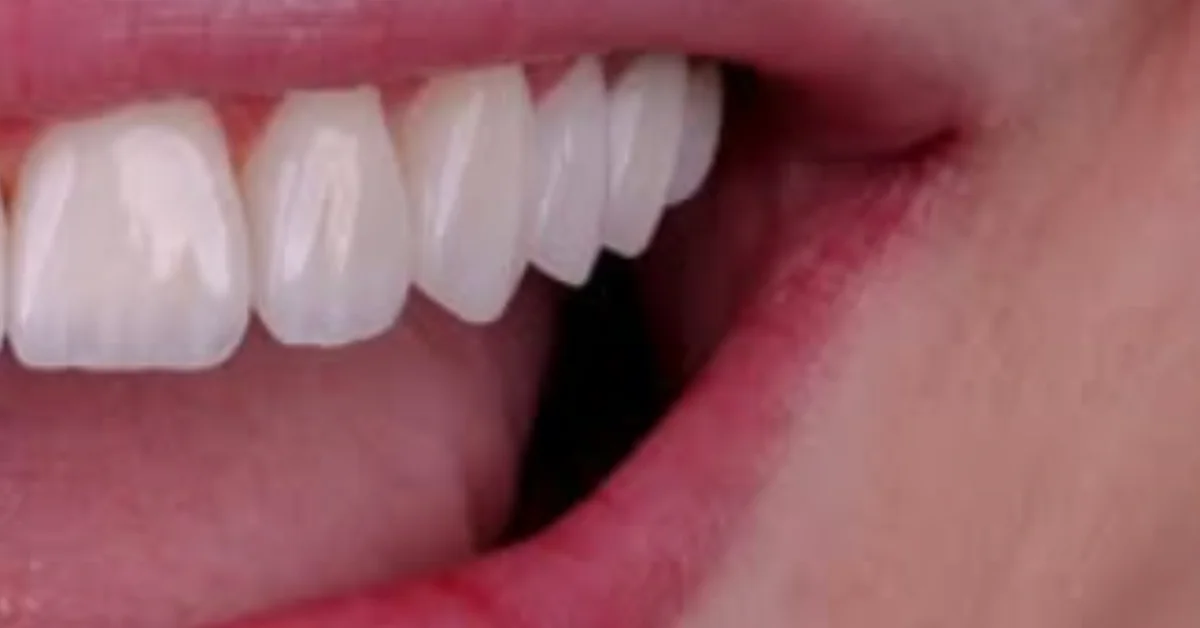
On market average, composite resin veneers need replacement between 4 and 8 years, and porcelain veneers last 10 to 15 years. These numbers are not a hard rule: a patient with good hygiene, who does not bite nails or clench their teeth, can go well beyond that range, while a patient with bruxism may need intervention much sooner.
The point I always reinforce when I talk with dentists is this: a veneer is not a once-in-a-lifetime treatment, it is a treatment with a life cycle. Telling the patient this at the first consultation prevents frustration later and turns maintenance into a scheduled return, not a surprise.
Below I break down the ranges by material, the signs that replacement time has come and what changes when the work is redone.
After how many years does a composite veneer need replacing?
Composite resin is the material most sensitive to time. It absorbs pigments from coffee, wine and tobacco, loses gloss with daily abrasion and develops microleakage at the margins. In clinical practice, the most cited range is 4 to 8 years before full replacement is needed.
That does not mean the patient does nothing during that period. With semiannual or annual maintenance, which includes polishing and small repairs, the service life of resin stretches considerably. What defines whether to repair or replace is the overall condition of the set: a repair on a heavily worn veneer becomes an endless maintenance cycle.
And porcelain veneers, when do they need replacing?
Porcelain is ceramic: it does not stain like resin, keeps its gloss much longer and has superior mechanical strength. That is why the durability range rises to 10 to 15 years on average, with reported cases performing well beyond that.
But porcelain also has a life cycle. The most common reasons for replacement are:
- Crack or fracture from trauma or uncontrolled bruxism.
- Debonding of the piece due to failure of old cementation.
- Gum recession that exposes the margin between veneer and tooth, creating esthetic disharmony.
- Color change of the natural neighboring teeth, leaving the veneer out of tune with the smile.
How do you know it is time to replace veneers?
There is a set of clinical and esthetic signs the dentist evaluates and that patients themselves can notice:
| Sign | What it means | Common approach |
|---|---|---|
| Stain that does not polish out | Resin saturated with pigment | Indicates replacement |
| Visible crack or chip | Mechanical failure of the material | Spot repair or replacement |
| Darkened or lifting edge | Microleakage at the margin | Check for decay and replace |
| Cold sensitivity | Possible leakage or exposure | Investigate the cause first |
| Neighboring tooth changed color | Esthetic disharmony | Whitening or new planning |
| Gum recession | Veneer margin exposed | Evaluate the gum cause |
The practical definition I use in conversations: while the problem is localized and the set is intact, repair it; when the problem is the material as a whole, replace it.
What happens to the tooth when a veneer is replaced?
The most frequent patient question is whether replacing a veneer means grinding the tooth again. In most cases, no. Removing the old piece is done conservatively, taking out the old material and preserving whatever healthy structure remains.
In some situations, especially when there was leakage or decay under the veneer, compromised tissue must be removed and a small part of the preparation redone. Each case depends on clinical evaluation, X-rays and, often, comparative photography. There is no single answer without an exam.
How can you extend veneer life and delay replacement?
The factors that most shorten veneer life are well known, and most depend on the patient:
- Consistent hygiene with a soft brush and daily flossing, protecting the margins.
- Bruxism control with a night guard, when indicated.
- Avoiding biting hard objects, nail biting and opening packages with the teeth.
- Periodic maintenance with polishing, usually every 6 to 12 months.
- Attention to early signs: a small crack repaired in time prevents premature replacement.
On the dentist's side, a good photographic record of the case from the start helps a lot when comparing evolution and showing the patient why replacement time has come. At dentraw LAB, I see dentists using photo enhancement and before-and-after carousels exactly for that: documenting the life cycle of the work and turning the maintenance conversation into something visual. If you want to understand the platform pricing, I detailed everything in the article about how much dentraw LAB costs.
FAQ
How long does a composite veneer last before it needs replacing? On market average, a composite veneer lasts 4 to 8 years. Real durability depends on patient habits, hygiene and periodic maintenance with polishing.
Do porcelain veneers need to be replaced too? Yes. Although they last 10 to 15 years on average, porcelain can also crack, debond or be affected by gum recession, and in those cases it must be replaced.
What signs show that a veneer needs replacing? Stains that do not come out with polishing, visible cracks, lifting edges, leakage with decay under the veneer and esthetic mismatch with neighboring teeth.
Can a veneer be replaced without grinding the tooth further? In most cases, removing the old veneer is conservative, but every situation needs clinical evaluation. Some cases require a minimal new preparation for the new piece.
Does replacing veneers hurt? The procedure is usually done under local anesthesia and is generally well tolerated. Discomfort varies with the number of pieces and the material involved.
If you are a dentist and need a partner lab for veneer replacement and maintenance cases, meet the labs in the dentraw LAB network.
Related articles
Frequently asked questions
How long does a composite veneer last before it needs replacing?
On market average, a composite veneer lasts 4 to 8 years. Real durability depends on patient habits, hygiene and periodic maintenance with polishing.
Do porcelain veneers need to be replaced too?
Yes. Although they last 10 to 15 years on average, porcelain can also crack, debond or be affected by gum recession, and in those cases it must be replaced.
What signs show that a veneer needs replacing?
Stains that do not come out with polishing, visible cracks, lifting edges, leakage with decay under the veneer and esthetic mismatch with neighboring teeth.
Can a veneer be replaced without grinding the tooth further?
In most cases, removing the old veneer is conservative, but every situation needs clinical evaluation. Some cases require a minimal new preparation for the new piece.
Does replacing veneers hurt?
The procedure is usually done under local anesthesia and is generally well tolerated. Discomfort varies with the number of pieces and the material involved.