Laboratories & Materials
Dental lab: how to reduce remakes with the dentist?
Gabriel Gimenez · Published on September 19, 2026
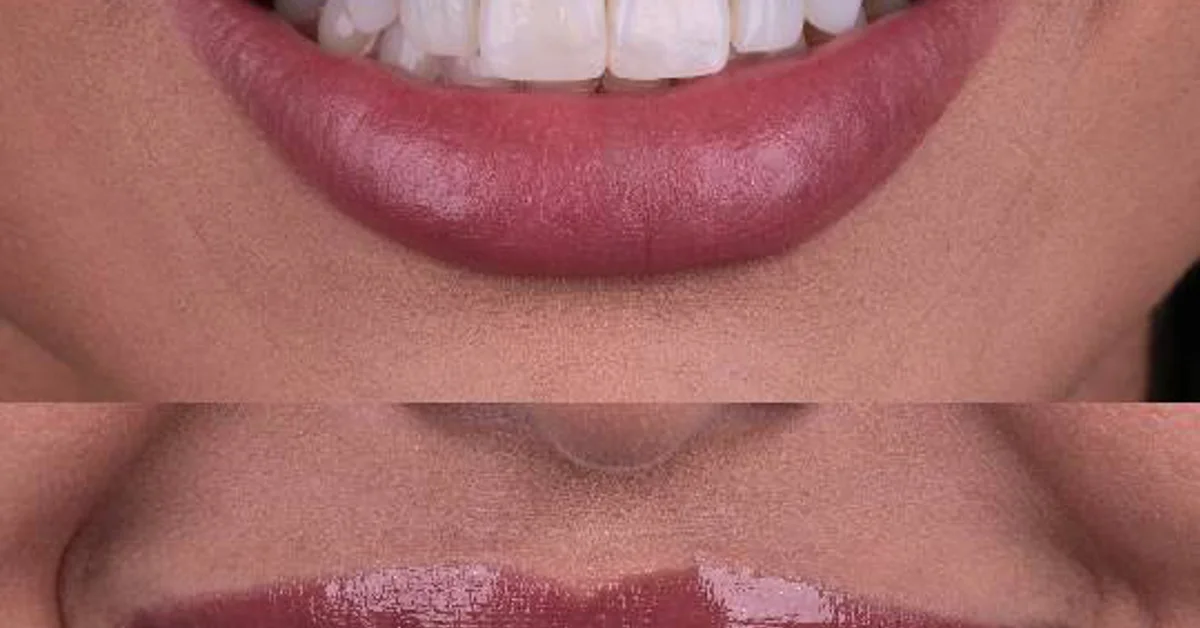
Remakes between dentist and lab drop consistently when both sides standardize four things: a complete written prescription, shade registration with photos, patient expectation aligned before production, and a clear agreement on deadline and remake cost. Without that protocol, every case is a gamble: the technician interprets, the dentist sends it back, and both lose days and margin.
In conversations with labs connected to dentraw LAB, the pattern repeats: most remakes are not born from a technical execution error, they are born from information that never arrived. Cases without a defined shade, without patient photos, without prep details, or with a deadline agreed over the phone and forgotten a week later.
Below I break down the practical protocol, point by point, and where the digital workflow comes in to cut the remakes that remain.
What is the main cause of remakes between dentist and lab?
Definition in one sentence: a remake is any restoration that comes back to the lab because the input information was not enough to get it right the first time.
The most common causes, in the order they show up in practice:
- Incomplete prescription. The form arrives without shade, without a reference guide, without indication of translucency or characterization.
- Missing photos. Without photos of the smile, the adjacent tooth and the prep, the technician works blind on anatomy and shade.
- Problematic prep or impression. An unreadable margin, a flawed scan or a distorted impression produce poor fit, and poor fit comes back as a remake.
- Patient expectation never validated. The dentist approves the restoration, the patient does not. Shape and shade that looked right in the office were not what the patient imagined.
- Verbal deadline. Agreed over the phone, with no record, it turns into cross complaints and rushing, and rushing produces errors.
Notice that four of the five causes are communication problems, not technique problems. That is why protocol solves more than new equipment.
How do you standardize the prescription to end returned cases?
The step by step I suggest when a lab asks me where to start:
- Create a single prescription form. One document, digital or printed, that every case must have filled out: restoration type, material, shade on the adopted guide, characterizations, attached photos and agreed deadline.
- Refuse cases without a complete form. It hurts in the first months, but it is what turns the form into a habit. A lab that accepts "I will send the shade later" is buying remakes.
- Standardize shade registration. Same guide, same lighting, photo with the shade tab next to the tooth. Without that, "A2" means one thing to the dentist and another to the technician.
- Attach a result reference. When the patient approved a simulation or a mock-up, that image goes with the prescription. It is the best description of shape that exists.
- Record deadline and remake cost in writing. Set the agreement before the problem, not after.
None of this requires equipment investment. It requires discipline from both sides and a lab that holds the standard.
What does the digital workflow solve and what does it not solve?
The digital workflow, with intraoral scanning, software design and milling or printing, attacks the mechanical causes of remakes: distorted impressions, unreadable margins, models that break in shipping. With the digital file, the lab checks the prep the same day and warns the dentist before producing, not after.
What digital does not solve is the number one cause: communication about esthetics. A perfect file of a good prep still comes back if the shade was agreed by text message and the patient expectation was never validated. I explain the full workflow, stage by stage, in the article on the digital workflow in dental prosthetics.
In my experience building the dentraw LAB lab directory, the labs with the fewest remakes are not necessarily the most digitalized. They are the ones that treat the prescription as a contract: complete form, photos, approved reference. Digital comes in as an accelerator of that protocol, not as a substitute.
How do you align patient expectation before producing the restoration?
The most expensive remake is the one that happens after the restoration is finished: the lab executed correctly, the dentist approved, and the patient looked in the mirror and did not like it. Shape, shade, size. Remaking at that point costs the entire case.
The way to avoid it is to validate first. The dentist shows a simulation of the result at the evaluation appointment, the patient approves or asks for adjustments, and that approved image travels in the prescription as the reference for shape and shade. At dentraw LAB, that step is done with Preview: a smile simulation generated from the patient photo, which the dentist uses to close the expectation before the lab receives the case.
I learned this in practice. When Carlos and I started dentraw LAB, we talked with a partner lab that had a high remake rate on veneers. It was not a technical problem: the cases came back because "the patient imagined something different". Once the dentist started sending the approved simulation along with the prescription, esthetic remakes practically disappeared. The missing information was not about technique, it was about expectation.
Who pays for a remake and how do you agree on it upfront?
Without a prior agreement, every remake becomes a negotiation. The model that works, and that I recommend putting in writing at the start of the partnership:
| Source of the remake | Who absorbs the cost |
|---|---|
| Lab execution error (restoration outside the prescription) | Lab redoes it at no cost |
| Wrong or incomplete information sent by the dentist | Dentist pays for the remake |
| Change of request from the patient after approval | New cost, agreed between dentist and patient |
| Impression or scanning problem | Dentist redoes the capture, lab does not charge for the wait |
The table looks obvious, but most of the conflicts I see exist because it was never written. An agreement in the first week of the partnership is worth more than any clause discussed after the problem.
FAQ
What is the main cause of remakes between dentist and lab? In practice, it is the incomplete prescription: the case arrives without a defined shade, without reference photos or without prep information. The technician guesses and the dentist sends the case back.
Does a prescription checklist really reduce remakes? Yes. When lab and dentist use the same form, with shade, guide, photos, prep and deadline, decisions stop being guesswork. It is the cheapest and fastest change to implement.
Does the digital workflow eliminate remakes? It reduces them a lot, but does not eliminate them. Scanning and digital design fix impression and fit problems; what still causes remakes is poor communication about esthetics and patient expectation.
How do you align patient expectation before producing the restoration? By showing a simulation of the result first. With tools like Preview from dentraw LAB, the dentist validates shape and shade with the patient and sends that reference to the lab.
Who pays for a remake? It depends on the agreement. The recommended approach is to put it in writing: a lab execution error is redone at no cost; a change of request from the dentist or patient generates a new cost. Without that, every case becomes a conflict.
If you run a lab and want to be visible to dentists who already work with standardized prescriptions and approved visual references, list your lab on dentraw LAB.
Related articles
Frequently asked questions
What is the main cause of remakes between dentist and lab?
In practice, it is the incomplete prescription: the case arrives without a defined shade, without reference photos or without prep information. The technician guesses and the dentist sends the case back.
Does a prescription checklist really reduce remakes?
Yes. When lab and dentist use the same form, with shade, guide, photos, prep and deadline, decisions stop being guesswork. It is the cheapest and fastest change to implement.
Does the digital workflow eliminate remakes?
It reduces them a lot, but does not eliminate them. Scanning and digital design fix impression and fit problems; what still causes remakes is poor communication about esthetics and patient expectation.
How do you align patient expectation before producing the restoration?
By showing a simulation of the result first. With tools like Preview from dentraw LAB, the dentist validates shape and shade with the patient and sends that reference to the lab.
Who pays for a remake?
It depends on the agreement. The recommended approach is to put it in writing: a lab execution error is redone at no cost; a change of request from the dentist or patient generates a new cost. Without that, every case becomes a conflict.