Dental Universe
Digital or traditional dental lab: what's the difference?
Gabriel Gimenez · Published on September 19, 2026
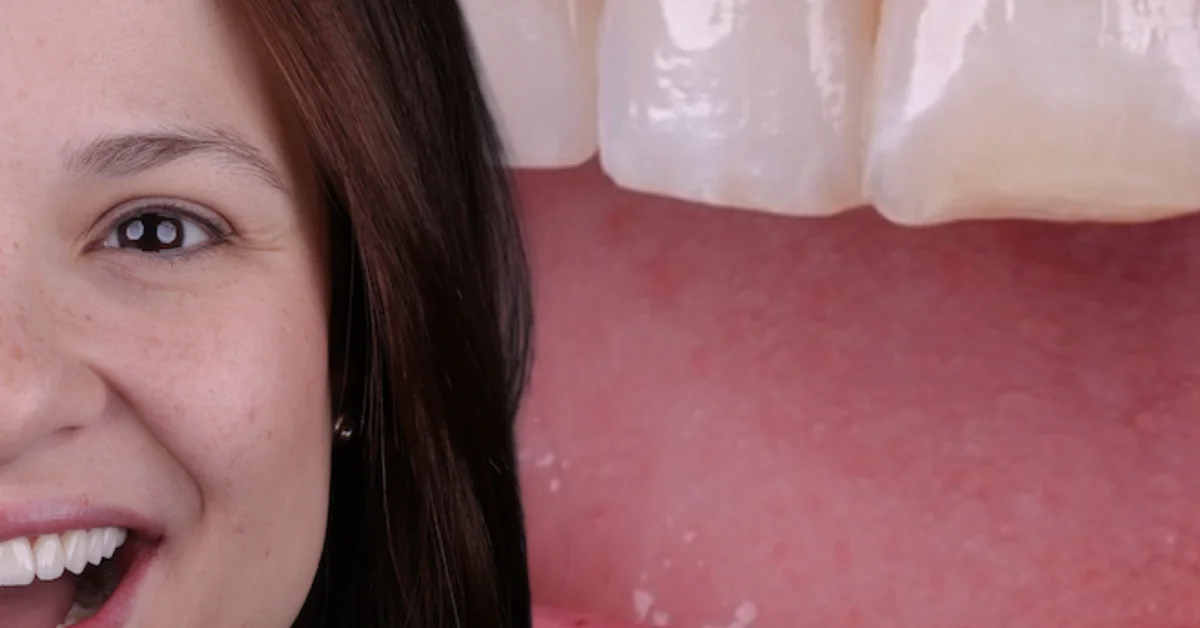
The difference is the path the restoration travels from the prep to the patient's mouth. In a traditional lab, the dentist ships an impression, the technician pours a stone model, mounts the articulator, waxes up, invests, presses, or layers ceramic by hand. In a digital lab, the case starts from a scan file (or a digitized model), is designed in CAD software, and is manufactured by milling or 3D printing, with finishing that may or may not be manual.
In practice, digital wins on predictability, reproducibility, and turnaround; traditional wins on the ceramist's hand in extreme-esthetic cases. Most of the good labs I know today are neither one nor the other: they are traditional labs that digitized the repetitive steps and kept hand finishing where it genuinely changes the outcome.
Below I compare both models step by step, with costs, turnaround, and the criteria I use to recommend one or the other depending on the case.
What changes step by step?
| Step | Traditional lab | Digital lab |
|---|---|---|
| Case intake | Physical impression shipped | STL file sent online or model digitized at the lab |
| Working model | Poured and sectioned stone | Virtual model, printed only if needed |
| Restoration design | Hand wax-up on the articulator | CAD design with an anatomic library |
| Manufacturing | Investing, pressing, or hand layering | CAD/CAM milling or 3D printing |
| Adjustments and try-ins | Re-pour stone and wax for every change | Edit the file and remanufacture, keeping the project |
| Redoing the work | Starts from scratch | Reopens the saved project and remakes it in minutes |
The point that weighs most in daily practice is the last one: when a coping fractures or a patient loses a provisional, the digital lab reopens the file and remills an identical piece. In the traditional lab, the work restarts almost from zero.
What are the real advantages of the digital workflow?
- Predictability: the design is approved before manufacturing, often with the dentist reviewing on screen.
- Reproducibility: the project stays on file; remaking or duplicating a piece costs a fraction of the original work.
- Turnaround: with no impression shipping and in-house milling, simple cases ship within a few business days.
- Communication: photos, scans, and designs exchanged online reduce back-and-forth try-ins.
- Materials: milled zirconia and lithium disilicate blocks have homogeneous, well-documented properties from manufacturers.
These advantages show up strongly in single crowns, copings, inlays, onlays, implant restorations, and higher volumes, where digital productivity brings the per-unit cost down.
When does the traditional lab still make sense?
For veneers and anterior crowns with extreme esthetic demands, hand layering by an experienced ceramist still produces optical effects that monolithic milling does not replicate on its own. Internal characterization, incisal halo, surface texture: that finishing is artisanal by nature.
That is why the honest answer is not "digital or traditional", but "digital at the base, artisanal at the finish". When Carlos and I talk with partner labs at dentraw LAB, the fastest-growing ones are exactly the hybrids: they receive the case digitally, mill the framework, and hand it to a ceramist to finish the buccal face by hand. Always confirm with the lab how each step is handled, since terminology varies and there is no single standard that defines a "digital lab".
How much does each one cost and what is the turnaround?
As a market range, with no official association figure: a milled monolithic zirconia crown usually falls in a similar or lower range than an equivalent traditional PFM, because material consumption and labor per unit go down. A hand-layered veneer, on the other hand, remains hours of bench work, and the price reflects that in both models.
On turnaround, the difference is usually clearer: simple digital cases ship within a few business days, while layered-ceramic cases take on average one to two weeks or more, depending on the queue and the number of try-ins. For the dentist, what changes the practice's finances is predictability: knowing the delivery date with confidence is worth more than a short deadline that slips.
From my own experience: early in dentraw LAB, while visiting labs to decide who belonged in our directory, I visited a small lab that called itself digital but still waxed everything by hand over a scanned model. The results were good, but the turnaround was a traditional lab's turnaround, and so was the remakes rate. That is where I learned to ask the right question: not "are you digital?", but "which steps do you manufacture from the file?". That question separates labs that actually digitized from labs that only bought a desktop scanner.
How do you choose between digital and traditional?
I suggest evaluating in this order:
- The dominant case type in your practice: lots of implants and single crowns pull toward digital; extreme anterior esthetics call for a strong ceramist, even on a milled framework.
- Turnaround and predictability: ask for past cases as references and ask about the remake rate and delivery-date reliability.
- Communication: check whether the lab accepts STL files, answers quickly, and shows the design before manufacturing.
- Proof of concept: send a simple case first. A lab's behavior on an easy case predicts its behavior on a hard one.
- Total cost: factor in remakes, repeated try-ins, and chair time, not just the invoice amount.
FAQ
Is a digital lab always better than a traditional one? No. The digital workflow brings predictability, reproducibility, and shorter turnaround in most cases, but the hand-finished work of an experienced ceramist still makes a difference in high-end esthetic cases. The best labs today combine both.
Does the dentist need an intraoral scanner to work with a digital lab? Not necessarily. Many digital labs accept conventional impressions and digitize the model in-house. An intraoral scanner speeds up case submission and removes physical shipping, but it is not mandatory.
Is digital work more expensive? It depends on the case. For single units and higher volumes, the digital workflow often costs the same or less because of productivity gains. For extreme-esthetic work with hand layering, the ceramist's cost is present in both models.
What is the average turnaround time for each type of lab? As a market range, a simple digital case is often ready within a few business days, while a traditional case with layered ceramics can take one to two weeks or more, depending on the lab's queue and the number of try-ins.
How do I know if a lab is truly digital? Ask whether it accepts STL files from intraoral scanners, designs in CAD software, and mills or prints in-house. A lab that only scans the stone model but still waxes by hand is hybrid, not fully digital.
If you are looking for partner labs with digital, hybrid, or artisanal workflows, dentraw LAB keeps a dental lab directory where you can filter by work profile and region.
Related articles
Frequently asked questions
Is a digital lab always better than a traditional one?
No. The digital workflow brings predictability, reproducibility, and shorter turnaround in most cases, but the hand-finished work of an experienced ceramist still makes a difference in high-end esthetic cases. The best labs today combine both.
Does the dentist need an intraoral scanner to work with a digital lab?
Not necessarily. Many digital labs accept conventional impressions and digitize the model in-house. An intraoral scanner speeds up case submission and removes physical shipping, but it is not mandatory.
Is digital work more expensive?
It depends on the case. For single units and higher volumes, the digital workflow often costs the same or less because of productivity gains. For extreme-esthetic work with hand layering, the ceramist's cost is present in both models.
What is the average turnaround time for each type of lab?
As a market range, a simple digital case is often ready within a few business days, while a traditional case with layered ceramics can take one to two weeks or more, depending on the lab's queue and the number of try-ins.
How do I know if a lab is truly digital?
Ask whether it accepts STL files from intraoral scanners, designs in CAD software, and mills or prints in-house. A lab that only scans the stone model but still waxes by hand is hybrid, not fully digital.