Before & After
What is facial harmonization and how do you simulate the result?
Gabriel Gimenez · Published on September 19, 2026
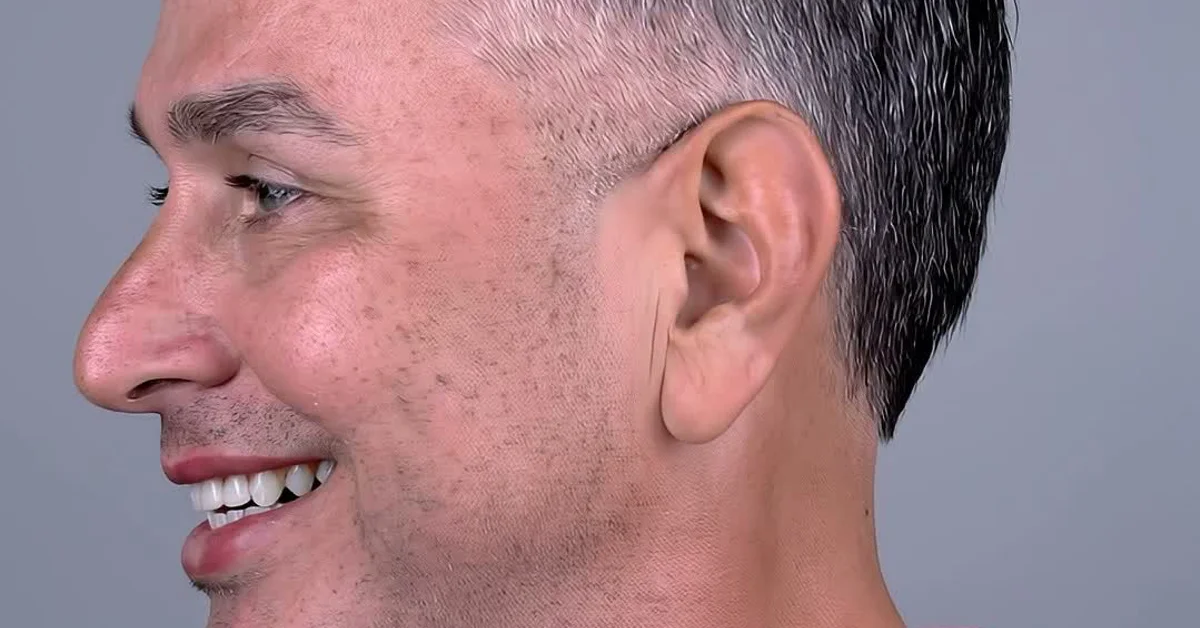
Facial harmonization, also called orofacial harmonization when performed by a dentist, is a set of aesthetic procedures designed to balance the proportions of the face: profile, lips, chin, jawline, and, in many cases, the smile itself. It is not a single procedure, but a plan that combines techniques such as dermal fillers, botulinum toxin, thread lifts, and cosmetic dental treatments.
To simulate the outcome before any procedure, the fastest path today is artificial intelligence: from a frontal photo of the patient, dentraw LAB generates a visual preview of the smile and the case's aesthetics in minutes with Preview. The patient sees a reference of the result on their own photo, which completely changes the conversation in the evaluation appointment.
In the next sections I explain what falls within the scope of facial harmonization, how AI simulation works in practice, and how I use it to align expectations without promising results.
What does facial harmonization include?
Facial harmonization is a plan, not a catalog of isolated procedures. In day-to-day practice, the most common pillars are:
- Smile aesthetics: veneers, dental contact lenses, whitening, and gingival recontouring. This is where the dentist has the most technical autonomy.
- Dermal fillers: lips, chin, jawline, cheekbones, and folds, usually with hyaluronic acid.
- Botulinum toxin: expression lines, gummy smile in selected cases, and bruxism.
- Thread lifts and biostimulators: for tissue support and skin quality.
- Complementary procedures: buccal fat removal and contouring techniques, depending on indication and professional certification.
One definition I use to explain it to patients in a single sentence: facial harmonization means looking at the whole face before touching any part of it, because a beautiful smile on an unbalanced face stays unbalanced.
Rules on who can perform these procedures vary by country. In Brazil, dental surgeons work in orofacial harmonization with certification from the Federal Council of Dentistry; elsewhere the regulation differs, so always check the current rules in your jurisdiction.
Why does the patient hesitate without a simulation?
The biggest obstacle in facial harmonization is not price, it is fear of the result. The patient hears "lip filler" and pictures the excess they saw on the internet. They hear "veneers" and picture teeth that look too artificial. Without a visual reference, they decide based on imagination, and imagination almost always exaggerates toward risk.
I saw this up close while supporting Carlos Herton at DentRaw Treinamentos classes, with more than 4,000 students. The complaint that kept repeating among dentists was the same: the patient approves the plan in theory and vanishes when it is time to commit. Once dentists started showing a simulation on the patient's own photo, the conversation shifted from "will it look weird?" to "can we adjust this part here?". Fear turns into participation.
How does AI simulation work in dentraw LAB?
The workflow I recommend for an evaluation appointment is this:
- Photograph the patient: frontal photo, centered face, even lighting. A phone camera is enough.
- Upload the photo to Preview: the dentraw LAB tool generates the smile simulation in minutes, right in the browser.
- Show it on screen next to the patient: present the simulation as a reference for the plan, explaining what each proposed procedure contributes.
- Adjust the plan with the patient: the simulation opens space for the patient to point out preferences, which increases their commitment to treatment.
- Document the alignment: make it clear, verbally and in writing, that the simulation is a visual reference, not a promise of results.
Does AI simulation replace the diagnostic wax-up?
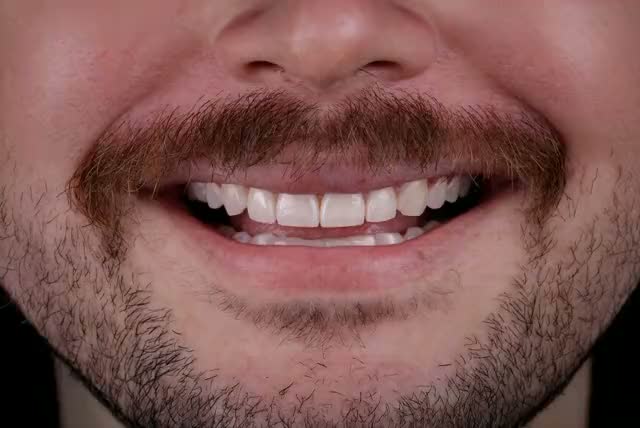
It does not replace it, they serve different purposes. The diagnostic wax-up and mock-up remain precision clinical tools, used to plan shape, proportion, and preparation. AI simulation is a communication tool: it happens at the first appointment, in minutes, before any impression is taken.
| Criterion | AI simulation (Preview) | Wax-up / mock-up |
|---|---|---|
| When it happens | First appointment | After the plan is approved |
| Time | Minutes | Lab sessions |
| Cost for the dentist | From R$3.90 per image | Lab costs per case |
| Purpose | Align expectations and close the plan | Guide clinical execution |
| Anatomical precision | Visual reference | High, reproducible in the mouth |
In practice, the two complement each other: the simulation gets the patient to say yes, and the wax-up turns that yes into a good outcome.
How much does it cost to simulate the result with AI?
At dentraw LAB, a single simulation costs R$3.90 per image. For dentists who present simulations every week, the plans are cheaper per generation: R$333 per month, R$997 per quarter, or R$3,490 per year, with a free 3-day trial. Clients outside Brazil are billed in dollars, converted from the Brazilian price table. The pricing logic and the full breakdown of when subscribing pays off are in the article on how much dentraw LAB costs.
Compared to the value of a harmonization case, which typically runs into the thousands, the cost of the simulation is symbolic next to what it enables in plan acceptance.
FAQ
Can a dentist perform facial harmonization? It depends on the country. In Brazil, dental surgeons can perform orofacial harmonization with specific certification from the Federal Council of Dentistry. Elsewhere, scope-of-practice rules vary, so always check the current regulation in your jurisdiction.
Does an AI simulation guarantee the final result? No. A simulation is a communication tool that brings the patient's expectations closer to the treatment plan. The real outcome depends on anatomy, technique, and each person's biological response.
How long does it take to generate a simulation? With dentraw LAB, a smile simulation in Preview takes a few minutes from the patient's photo, right in the browser, with nothing to install.
Can I include the simulation in the treatment quote I show the patient? Yes, and you should. Showing the simulation alongside the treatment plan helps the patient understand what is being proposed. Make it clear that it is a visual reference, not a promise of results.
Do I need special equipment to simulate? No. A good frontal photo of the patient, taken with a phone, is enough. Even lighting and a centered face improve the quality significantly.
If you want to show the simulation on your next harmonization case before closing the quote, start now with a free 3-day trial of dentraw LAB.
Related articles
Frequently asked questions
Can a dentist perform facial harmonization?
It depends on the country. In Brazil, dental surgeons can perform orofacial harmonization with specific certification from the Federal Council of Dentistry. Elsewhere, scope-of-practice rules vary, so always check the current regulation in your jurisdiction.
Does an AI simulation guarantee the final result?
No. A simulation is a communication tool that brings the patient's expectations closer to the treatment plan. The real outcome depends on anatomy, technique, and each person's biological response.
How long does it take to generate a simulation?
With dentraw LAB, a smile simulation in Preview takes a few minutes from the patient's photo, right in the browser, with nothing to install.
Can I include the simulation in the treatment quote I show the patient?
Yes, and you should. Showing the simulation alongside the treatment plan helps the patient understand what is being proposed. Make it clear that it is a visual reference, not a promise of results.
Do I need special equipment to simulate?
No. A good frontal photo of the patient, taken with a phone, is enough. Even lighting and a centered face improve the quality significantly.