Before & After
Patient is afraid of the outcome: how does simulation help?
Gabriel Gimenez · Published on September 19, 2026
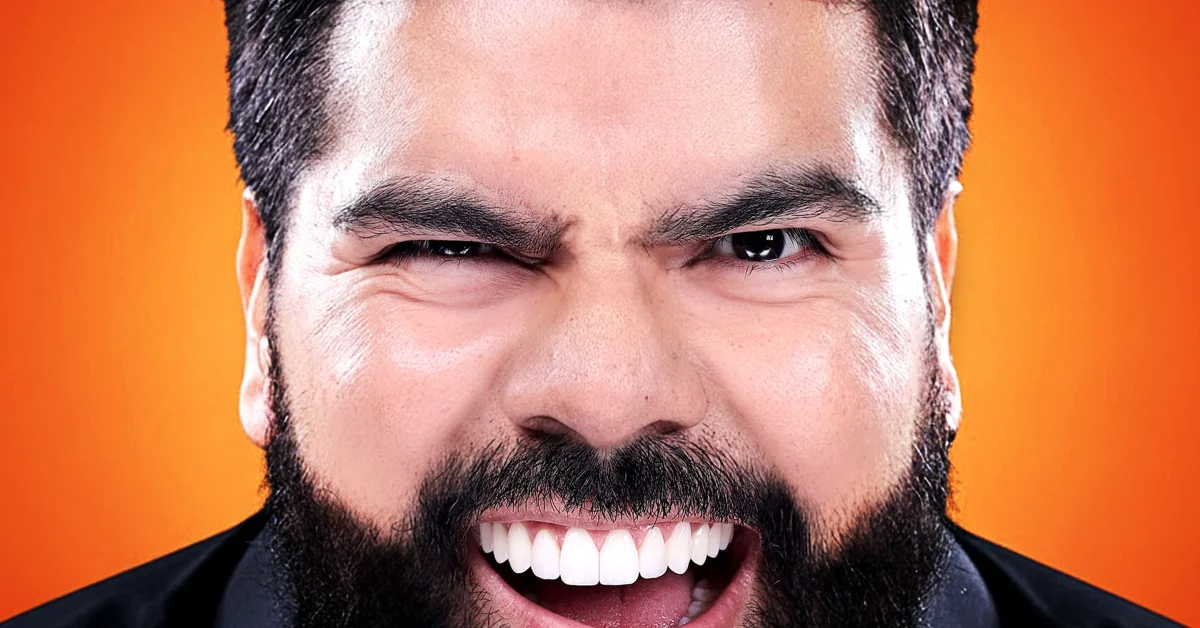
Fear of the outcome is almost never fear of the procedure: it is fear of the unknown. When the patient sees a simulation of their own smile before deciding, the abstract becomes an image, and the conversation shifts from "will it look good?" to "this is what I want." In practice, AI simulation reduces insecurity, aligns expectations between dentist and patient, and turns the evaluation appointment into a joint decision.
The tool that does this in dentraw LAB is Preview: from a patient photo, the simulation is ready in seconds, in the same appointment. No impressions, no wax-up, no waiting days for the lab.
In the sections below, I explain why the fear shows up, how to present the simulation chairside, and what I learned testing this with dentists since the platform launched.
Why is the patient afraid of the outcome?
In most cases, the patient does not doubt your technique. They doubt their own ability to picture the result. Three factors feed that fear:
- Wrong references: they arrive with celebrity photos or social media filters, with face shapes and arches completely different from their own.
- Third-party stories: a friend who got veneers and thought they looked "too fake" outweighs any technical explanation.
- Perceived irreversibility: any procedure involving tooth reduction or alteration feels like "no turning back," so the decision freezes.
The result of that fear is the behavior every cosmetic dentist knows: the patient praises the plan, asks for a quote, says they will think about it, and never comes back. Most of the time it is not a price objection. It is an imagination objection.
How does simulation change the conversation in the office?
One sentence that sums it up: simulation is the bridge between the dentist's technical plan and the image the patient can actually form in their mind.
When you show the patient's own face with the proposed smile, three things happen in the appointment:
- The conversation leaves the abstract: instead of describing "we will lengthen the incisors and close the diastema," you point at the screen to show exactly what each word means.
- The patient becomes a participant: they weigh in on shape, size, and shade, and the decision stops being a bet on your word and becomes their choice.
- Expectations align early: if what they imagined is not possible in their case, that shows up in the simulation, not on delivery day.
A lesson Carlos and I learned: in the first months of dentraw LAB, I thought simulation was mainly a case-acceptance tool. Talking with the dentists who use Preview every week, it became clear that the bigger value is something else: it works as an expectation filter. Cases that move forward after simulation reach the end with far fewer adjustment requests, because patient and dentist were looking at the same image from the start.
How do you present a simulation without setting wrong expectations?
Simulation helps, but it needs context so it does not become a promise. The script I recommend to dentists:
- Present it as a preview, not a result: say explicitly that the image is an approximation of the plan, and that the clinical outcome depends on biological and technical factors.
- Show it on the patient's own photo: a simulation on a model's face creates distrust; on their own photo, it creates identification.
- Point out the case limitations: use the simulation to explain what is possible and what depends on prior treatment, such as gingivoplasty or orthodontics.
- Let the patient take the image home: patients who decide with family at home come back better prepared to commit.
- Record the approval: the approved simulation becomes a reference for the plan and protects both sides if questions come up at the end.
If you publish before-and-after images or simulations on social media, check the current regulations of your dental board, because public disclosure rules vary and change over time.
How much does it cost to simulate the patient's smile?
In dentraw LAB, a single simulation costs R$3.90 per image, and dentists who simulate at nearly every evaluation appointment pay less per generation on the subscription, which starts with a 3-day free trial. The pricing logic is to charge little per generation so that simulating every cosmetic patient fits the daily routine, as I detail in the article on how much dentraw LAB costs.
| Situation | Option | Cost |
|---|---|---|
| Test with a real case | 3-day trial | Free (card required) |
| One-off simulation | Image credit | R$3.90 |
| A full day producing one case | 24-hour pass | R$11.90 |
| Simulation at almost every evaluation | Monthly plan | R$333/month |
FAQ
Does the simulation guarantee the final treatment result? No. The simulation is a visual preview that brings the patient closer to the treatment plan, but the clinical outcome depends on biological and technical factors. It aligns expectations; it is not a promise.
How long does it take to generate a smile simulation? In dentraw LAB, generating a Preview takes a few seconds from a patient photo. You can show the simulation in the same evaluation appointment.
Can the patient view the simulation at home? Yes. You can save the generated image and send it to the patient, or use the transformation video from Live so they can review it calmly and discuss it with family before deciding.
Is showing simulations allowed under dental advertising rules? Simulations as a patient communication tool in the office are common practice, but rules on publicly publishing images vary by jurisdiction. Check the current regulations of your dental board before posting.
What if the patient does not like the simulation? Better to find out in the simulation than after tooth preparation. The preview lets you adjust shape, size, and shade before any procedure, which avoids rework and dissatisfaction.
If your next cosmetic patient is stalling on the decision, show them their smile before asking for an answer: start your 3-day free trial now.
Related articles
Frequently asked questions
Does the simulation guarantee the final treatment result?
No. The simulation is a visual preview that brings the patient closer to the treatment plan, but the clinical outcome depends on biological and technical factors. It aligns expectations; it is not a promise.
How long does it take to generate a smile simulation?
In dentraw LAB, generating a Preview takes a few seconds from a patient photo. You can show the simulation in the same evaluation appointment.
Can the patient view the simulation at home?
Yes. You can save the generated image and send it to the patient, or use the transformation video from Live so they can review it calmly and discuss it with family before deciding.
Is showing simulations allowed under dental advertising rules?
Simulations as a patient communication tool in the office are common practice, but rules on publicly publishing images vary by jurisdiction. Check the current regulations of your dental board before posting.
What if the patient does not like the simulation?
Better to find out in the simulation than after tooth preparation. The preview lets you adjust shape, size, and shade before any procedure, which avoids rework and dissatisfaction.