Dental Universe
What is an implant-supported fixed denture (full-arch protocol)?
Gabriel Gimenez · Published on September 19, 2026
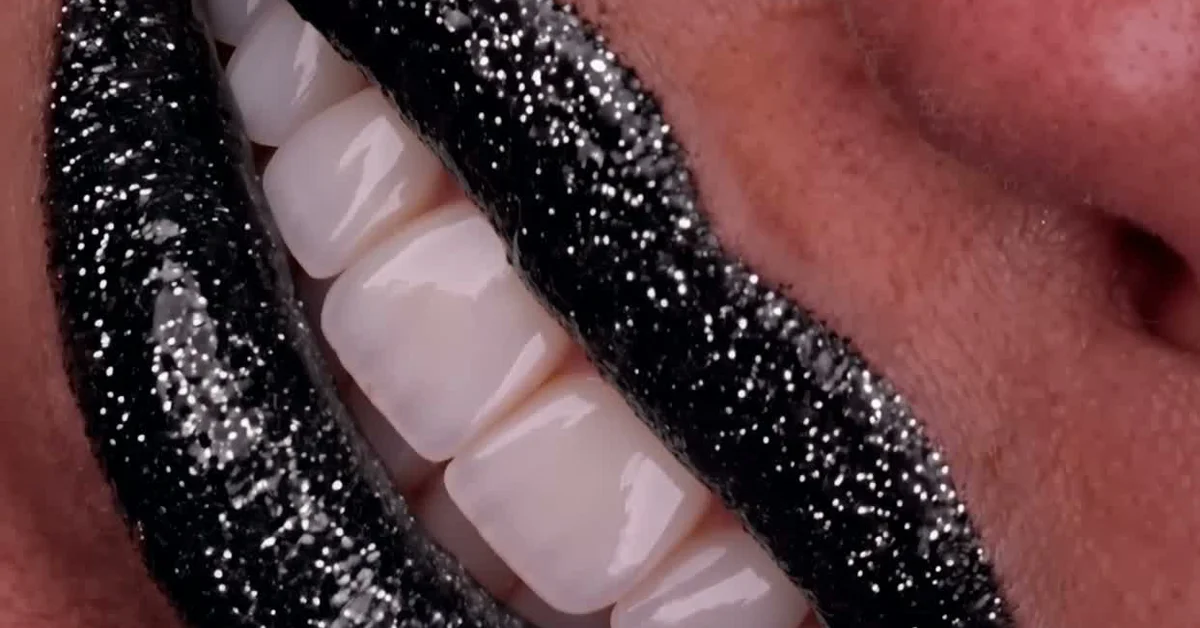
An implant-supported fixed denture, known to patients as a "fixed denture" or full-arch protocol, is a full-arch prosthesis screwed onto implants, indicated for patients who have lost all teeth in one arch. Instead of a removable denture resting on the gums, the patient receives a fixed complete arch that only the dentist removes in the office for maintenance.
The technical summary: 4 to 6 titanium implants are placed in the bone, and a full-arch prosthesis, usually in acrylic, porcelain, or zirconia, is fixed on top of them. The term "protocol" comes from Swedish surgeon Per-Ingvar Brånemark, who created the original protocol for full-arch rehabilitation on implants.
Below I explain how the treatment works in practice, what sets a protocol apart from other rehabilitations, and what the dentist needs to evaluate before quoting, including the part almost nobody talks about: the dental lab.
How does implant protocol treatment work?
The classic workflow has well-defined stages:
- Planning: X-rays, CBCT scan, and impressions or intraoral scanning to assess available bone and design implant positions.
- Surgery: placement of 4 to 6 implants per arch. With immediate loading, a provisional prosthesis is screwed in the same day or within 72 hours.
- Osseointegration: a period averaging 3 to 6 months during which bone integrates with the implant. The patient wears the provisional.
- Framework try-in: testing the bar or framework in the office to verify passivity and fit.
- Definitive prosthesis: delivery of the final protocol, with occlusal and esthetic adjustments.
Each stage depends on the previous one, and the lab is involved in nearly all of them: provisional, framework, try-in, and final.
What is the difference between protocol, denture, and overdenture?
| Solution | Fixation | Who removes it | Implants |
|---|---|---|---|
| Conventional denture | Rests on the gums | The patient | None |
| Overdenture | Snaps onto implants | The patient | On average 2 to 4 |
| Implant protocol | Screwed onto implants | Only the dentist | On average 4 to 6 |
The one-sentence definition: the protocol is the only one of the three where the prosthesis is truly fixed, giving the patient the closest sensation to natural teeth.
How much does an implant protocol cost?
There is no single price. The total cost adds up surgery, implants, components, the provisional, and the definitive prosthesis, and each part varies by case. In the US, market averages place a full-arch protocol in five-figure territory per arch, and materials like zirconia push the range well above acrylic with a metal framework.
Beyond materials, what weighs most on the estimate is the lab work: milling the framework, tooth characterization, and try-ins. That is why two quotes with the same number of implants can come in very different. For the patient, the recommendation is to ask for a written breakdown: number of implants, prosthesis material, framework type, and what maintenance includes.
Why does the lab change the outcome of a protocol?
I learned this talking with dentists at dentraw LAB: in full-arch rehabilitation, the difference between a protocol the patient loves and one that comes back for adjustment after adjustment rarely lies in the implant. It lies in the lab. Framework passivity, tooth setup, lip support, and phonetics are decided at the bench, not in the mouth.
One case shaped my thinking: a partner dentist redid a patient's definitive protocol three times with different labs, always with the same surgical plan. The problem was only solved when he switched to a lab with a full digital workflow, which milled the framework from the scan and proved the esthetics before the final. The planning was identical; the prosthetic execution is what changed everything.
In practice, when choosing a lab for a protocol, it is worth asking: do they work with scanning and milling? Do they do a framework try-in? Do they have proven experience with full-arch protocols, not just single crowns? Those three questions eliminate most of the rework.
Who is a candidate for an implant protocol?
The typical indication is a fully edentulous patient or one with compromised teeth requiring extraction, complaining of denture instability or difficulty eating and speaking. Systemic conditions, smoking, hygiene, and bone quantity all enter the individual assessment.
Not every patient is a candidate, and the decision is always clinical, case by case, with imaging. Topics like consent, prescription, and dental advertising follow state and federal regulations; I recommend checking the current rules before advertising or promising any outcome.
FAQ
Does an implant protocol hurt? Surgery is done under local anesthesia, often with sedation. Post-op discomfort is usually managed with medication, and every patient responds differently.
How many implants does a full-arch protocol need? On average 4 to 6 implants per arch, depending on the patient's bone quantity and quality. The All-on-4 concept, for example, uses 4 tilted implants.
What is the difference between a protocol and an overdenture? The protocol is fixed and screw-retained, removed only by the dentist. An overdenture is removable by the patient, snapping onto the implants with retention systems.
How long does a full protocol treatment take? From surgery to the definitive prosthesis, on average 4 to 8 months, including osseointegration. In some cases a provisional prosthesis can be placed the same day.
How much does an implant protocol cost? In the US, market averages put a full-arch protocol in the range of five figures per arch, varying with the number of implants, prosthesis material, and lab. Ask for a detailed written estimate.
If you are a dentist looking for a lab partner for your protocols, with a digital workflow and a track record in full-arch rehabilitation, find dental labs on dentraw LAB.
Related articles
Frequently asked questions
Does an implant protocol hurt?
Surgery is done under local anesthesia, often with sedation. Post-op discomfort is usually managed with medication, and every patient responds differently.
How many implants does a full-arch protocol need?
On average 4 to 6 implants per arch, depending on the patient's bone quantity and quality. The All-on-4 concept, for example, uses 4 tilted implants.
What is the difference between a protocol and an overdenture?
The protocol is fixed and screw-retained, removed only by the dentist. An overdenture is removable by the patient, snapping onto the implants with retention systems.
How long does a full protocol treatment take?
From surgery to the definitive prosthesis, on average 4 to 8 months, including osseointegration. In some cases a provisional prosthesis can be placed the same day.
How much does an implant protocol cost?
In the US, market averages put a full-arch protocol in the range of five figures per arch, varying with the number of implants, prosthesis material, and lab. Ask for a detailed written estimate.