Laboratories & Materials
Zirconia or lithium disilicate: which material for crowns?
Gabriel Gimenez · Published on September 19, 2026
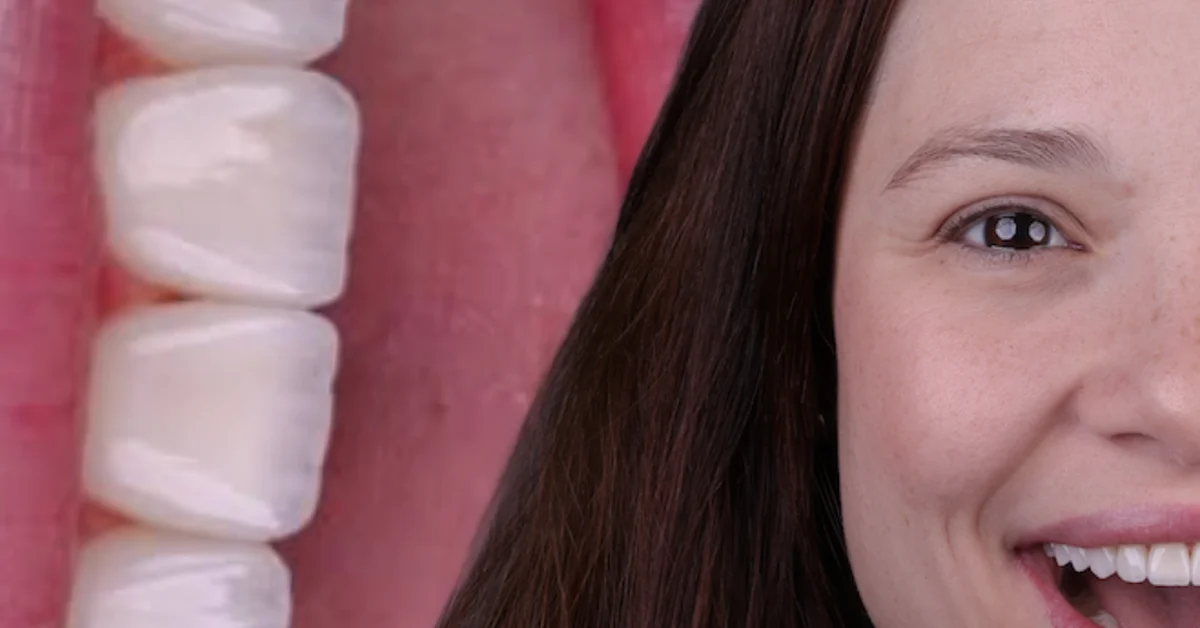
The short answer: lithium disilicate is the first choice when esthetics rules, meaning anterior crowns and veneers with conservative preparation and adhesive cementation. Zirconia is the first choice when strength rules: posteriors, bridges, bruxers and cases with limited space. On a well-prepared single posterior crown, both work; what settles it is the patient's force profile and the esthetic demand.
This is not a catalog decision, it is a case decision. I am a software engineer and co-founder of dentraw LAB with Carlos Herton, and one of the conversations that repeats most between us and our partner labs is exactly this one: the wrong material is almost never the ceramic block's fault, it is the fault of a prescription made with incomplete information.
Below I break down when each one wins, where each one fails, and what to send the lab so the choice lands right the first time.
When is lithium disilicate the best choice?
Lithium disilicate is a reinforced glass ceramic, known on the market through the IPS e.max system, combining high translucency with flexural strength in a middle range between feldspathic porcelains and zirconia.
It is usually the best choice for:
- Anterior crowns and veneers, where translucency and the chameleon effect decide the outcome.
- Conservative preparations with guaranteed adhesive cementation, because the system's strength depends on chemical bonding to the tooth.
- Cases with a favorably colored underlying tooth, with no dark stain or metal post to mask.
- Single posterior crowns in patients without signs of severe parafunction.
Where I have seen it go wrong: a posterior disilicate crown on a bruxer, conventionally cemented, on a short preparation. The piece cracks not because the material is weak, but because preparation plus cementation did not deliver what disilicate needs. The takeaway: if you cannot guarantee adhesive cementation, disilicate loses part of its advantage.
When is zirconia the best choice?
Zirconia is a polycrystalline zirconium oxide ceramic, the strongest among dental ceramics, with newer high-translucency generations that expanded its use beyond the posterior region.
It is usually the best choice for:
- Posterior crowns under high occlusal load or with reduced space for ceramic thickness.
- Fixed bridges, where lithium disilicate has limited indication.
- Patients with bruxism or clenching, within a plan that includes a night guard and occlusal control.
- Frameworks over discolored teeth or metal cores, because zirconia masks the substrate better.
- Implant crowns in the posterior region.
The watch-out is the mirror image of disilicate: traditional monolithic zirconia on a demanding anterior tends to look opaque. Multilayer and high-translucency zirconias improved this a lot, but the lab's characterization still makes a visible difference in the final result.
How do zirconia and lithium disilicate compare in practice?
| Criterion | Lithium disilicate | Zirconia |
|---|---|---|
| Anterior esthetics | Excellent translucency | Good in multilayer versions, depends on characterization |
| Strength | Intermediate, depends on adhesive cementation | High, indicated for bridges and posteriors |
| Preparation | Conservative, with adhesive cement | Can be more aggressive at minimal thicknesses |
| Masking a dark substrate | Limited | Good |
| Cementation | Preferably adhesive | Conventional or adhesive |
| Antagonist wear | Enamel-compatible when polished | Requires thorough polishing to avoid wearing the antagonist |
One definition I use when explaining this to dentists: disilicate wins on light, zirconia wins on load. When the case demands both at once, the decision runs through available thickness, substrate shade and parafunction, in that order of checking.
How much does each material cost?
On market average, lab fees per crown sit in close ranges for zirconia and disilicate, varying widely by region, finish and level of characterization. What weighs most on the final price is not the block itself but the ceramist's time: a layered anterior crown costs more than a monolithic posterior in either material.
On the patient side, the fee difference between the two materials is usually smaller than the cost of a remake when the prescription goes wrong. A remade crown burns chair time, impressions, logistics and the patient's trust. It is worth confirming the lab's current price list and turnaround before quoting.
What should you send the lab so the prescription lands right?
The minimum a good lab needs to recommend the material:
- Case photos with a shade tab, including the prepared tooth.
- Target shade and notes on the desired translucency.
- Available thickness after preparation, per surface.
- Parafunction report and history of fractures of previous restorations.
- The type of cementation you plan to use.
At dentraw LAB I work with labs running digital workflows, and the difference is clear: when the case arrives with a scan and photos, the material conversation happens before the final preparation, not after the piece is finished. If your lab still picks the material blind, that is the first process to fix. To see how that flow works, read the article on digital workflow in dental prosthetics.
FAQ
Can zirconia be used on anterior teeth? Yes, especially high-translucency zirconias, but lithium disilicate still tends to deliver superior esthetics on demanding anteriors. The choice depends on the case, the substrate shade and the lab's experience with characterization.
Does lithium disilicate hold up on posterior teeth? On single posterior crowns with proper preparation and adhesive cementation, lithium disilicate performs well. For bridges or patients with bruxism, zirconia is usually the safer call.
What is the cost difference between zirconia and lithium disilicate? On market average, per-crown lab fees sit in close ranges, varying by lab, region and finish. What weighs most on cost is the esthetic characterization and chair time, not just the ceramic block.
Does zirconia require special cement? Zirconia can be cemented conventionally or adhesively depending on preparation and retention. Lithium disilicate, being glassy, calls for adhesive cementation with surface treatment. Always follow the material manufacturer's protocol.
How do I decide the material together with my lab? Send case photos, target shade, available thickness and parafunction information. Labs with a digital workflow return that analysis fast and suggest the material before you finish the preparation.
If you want to compare labs working with zirconia and lithium disilicate in a digital workflow, with open turnaround times and price ranges, see dentraw LAB's partner labs.
Related articles
Frequently asked questions
Can zirconia be used on anterior teeth?
Yes, especially high-translucency zirconias, but lithium disilicate still tends to deliver superior esthetics on demanding anteriors. The choice depends on the case, the substrate shade and the lab's experience with characterization.
Does lithium disilicate hold up on posterior teeth?
On single posterior crowns with proper preparation and adhesive cementation, lithium disilicate performs well. For bridges or patients with bruxism, zirconia is usually the safer call.
What is the cost difference between zirconia and lithium disilicate?
On market average, per-crown lab fees sit in close ranges, varying by lab, region and finish. What weighs most on cost is the esthetic characterization and chair time, not just the ceramic block.
Does zirconia require special cement?
Zirconia can be cemented conventionally or adhesively depending on preparation and retention. Lithium disilicate, being glassy, calls for adhesive cementation with surface treatment. Always follow the material manufacturer's protocol.
How do I decide the material together with my lab?
Send case photos, target shade, available thickness and parafunction information. Labs with a digital workflow return that analysis fast and suggest the material before you finish the preparation.