Instagram & Social Media
How do you turn a clinical case into a viral video?
Gabriel Gimenez · Published on September 19, 2026
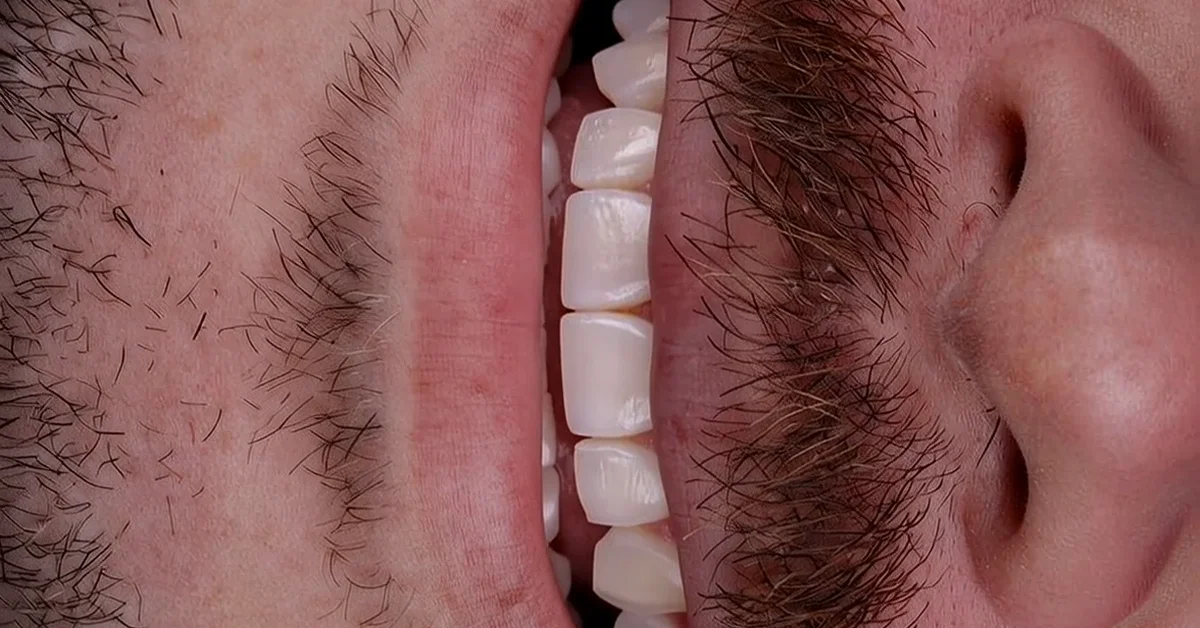
To turn a clinical case into a viral video, you need three things: a visually strong before and after, a hook in the first 2 seconds that stops the viewer's thumb, and a short vertical format of 7 to 15 seconds that the algorithm watches to the end. Without all three together, the video may look nice, but it dies at 200 views.
The mistake I see most in dental practices is treating the video as a technical record: the full case, generic music from the phone gallery, no text, no context. Instagram does not distribute technical content, it distributes content that holds attention. A good clinical case video is a communication product built on top of your clinical work, and those are two different skills.
Below I break down the process I see working with dentists who use dentraw LAB: how to pick the right case, which video structure the algorithm rewards, and how to put it all together without editing skills.
Which clinical cases have the best chance of going viral?
Not every case becomes a video, and forcing a weak case is a waste of time. Cases with the highest reach potential share these traits:
- Immediate visual contrast. The difference between before and after must register in under a second, with no zoom and no explanation. Subtle whitening rarely performs; full rehabs, veneers and diastema closures perform very well.
- A problem the audience recognizes in themselves. Chipped tooth, yellowed smile, diastema, small teeth. Viewers need to think "that's me" within the first seconds.
- A photographable result. The case has to look good in a photo. If the outcome only shows on an X-ray or in chewing function, the video will communicate nothing to a general audience.
- Image consent in order. Without the patient's written consent, the video should never leave your phone. Also check your state or regional dental board's current advertising rules.
A practical rule: if you have to explain why the result is good, the case is not viral material. Viral dental videos are almost always purely aesthetic and immediate.
Which video structure does the algorithm reward?
The definition I use with every dentist who asks me is this: a transformation video is a before and after that delivers the result in the first third and holds attention with movement until the end, not a documentary of the procedure.
The structure that works:
| Time | What happens in the video | Goal |
|---|---|---|
| 0 to 2 seconds | Hook: the most striking before shot or an on-screen line ("This smile changed in 2 sessions") | Stop the viewer from swiping to the next video |
| 2 to 6 seconds | Transition to the after, with camera movement or an effect | Deliver the visual payoff fast |
| 6 to 12 seconds | The after in detail: smile in motion, different angles | Retain viewers to the end so the algorithm logs high retention |
| 12 to 15 seconds | Closing line with a soft call to action ("Booking link in bio") | Direct interested viewers |
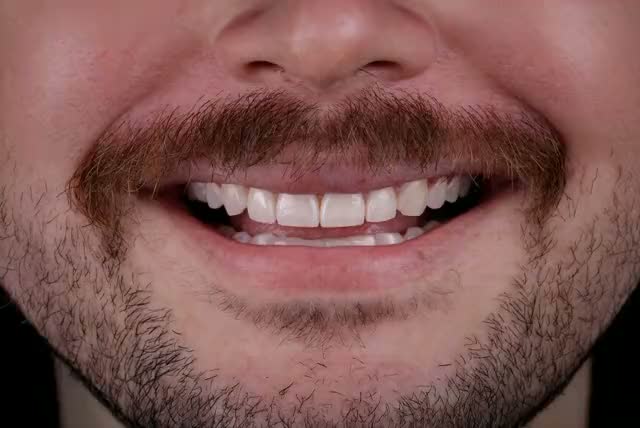
The point almost nobody respects: the after cannot be the surprise ending of a long video. In the videos I review from partner dentists, most bury the result at the 40-second mark of a 60-second Reel. Anyone who has not seen the result in the first 5 seconds is already gone. Result first, context after, always.
How do you build the video without editing skills?
This is where my own experience comes in. I am a software engineer, not a video editor, and when Carlos and I started testing content for dentraw LAB, I lost hours in phone editors trying to sync transitions to music. The result looked amateur anyway. That was one of the motivations behind Live: the dentist uploads the case photos and the AI generates the finished transformation video in vertical format for social media.
The step by step I recommend:
- Pick 2 to 4 good photos of the case. A clear before, a clear after and, if available, complementary angles. Poor lighting in the before can even help the contrast, but the after must be well photographed.
- Generate the video in Live. Upload the photos to dentraw LAB and choose the vertical format. The video comes out with movement and transitions ready.
- Add on-screen text. One short line at the start ("From diastema to this smile") multiplies retention, because most people watch without sound.
- Choose audio carefully. Trending audio helps distribution, but check usage rights; Instagram's own native library is the safest route.
- Post with a caption that answers the question, not one that describes the photo. Instead of "composite veneers", write what the patient asked in the consult: "Can this gap be closed without braces?".
If cost worries you: at dentraw LAB, a single video costs R$6.90 and the 24-hour pass, which unlocks producing the whole case's content in one day, costs R$11.90. The pricing logic is simple: weekly creators save with a subscription, occasional creators pay only for what they use. I detailed every price in the article about how much dentraw LAB costs.
What should you do after the video goes viral?
Going viral without structure is wasting the spike. Before posting any video with reach potential, have this ready:
- A profile that converts: professional photo, bio with your specialty and city, and highlights with your best cases in photo.
- Booking one tap away: the link in bio must lead straight to scheduling or WhatsApp. dentraw LAB's Link na Bio handles this with a links page for your practice.
- The next 3 videos queued: the algorithm favors accounts that publish while they are hot. One good case yields variations: the transformation video, a video answering a common question and a photo carousel.
- Fast replies in comments and DMs: in the first hours, every reply of yours pushes the video further.
FAQ
What is the ideal length for a clinical case video on Instagram? Between 7 and 15 seconds for transformation videos focused on reach. Videos up to 30 seconds work when there is an explanation, but the hook in the first 2 seconds still decides whether the viewer stays.
Do I need to show the patient's face in the video? Only with the patient's written consent for image use. Without it, use framing that shows only the smile or the case detail. Also check your state or regional dental board's current advertising rules.
Does a viral video actually bring in patients? Going viral brings reach, not necessarily patients. What converts is reach combined with a well-built profile: highlights with cases, booking through your Link na Bio and a clear location. Without that, millions of views are just vanity.
How do I make a transformation video without editing skills? AI tools solve this. At dentraw LAB, Live generates the transformation video from the case photos, no manual editing. You upload the images and get a ready-to-post video.
How many times a week should I post case videos? Consistency matters more than frequency. Two to three videos a week with steady quality outperform seven irregular posts followed by a month of silence.
If you have a finished case waiting to become content, start now with a free 3-day trial of dentraw LAB and generate your first transformation video today.
Related articles
Frequently asked questions
What is the ideal length for a clinical case video on Instagram?
Between 7 and 15 seconds for transformation videos focused on reach. Videos up to 30 seconds work when there is an explanation, but the hook in the first 2 seconds still decides whether the viewer stays.
Do I need to show the patient's face in the video?
Only with the patient's written consent for image use. Without it, use framing that shows only the smile or the case detail. Also check your state or regional dental board's current advertising rules.
Does a viral video actually bring in patients?
Going viral brings reach, not necessarily patients. What converts is reach combined with a well-built profile: highlights with cases, booking through your Link na Bio and a clear location. Without that, millions of views are just vanity.
How do I make a transformation video without editing skills?
AI tools solve this. At dentraw LAB, Live generates the transformation video from the case photos, no manual editing. You upload the images and get a ready-to-post video.
How many times a week should I post case videos?
Consistency matters more than frequency. Two to three videos a week with steady quality outperform seven irregular posts followed by a month of silence.