Dental Photography
Intraoral photography: phone or camera, which is better?
Gabriel Gimenez · Published on September 19, 2026
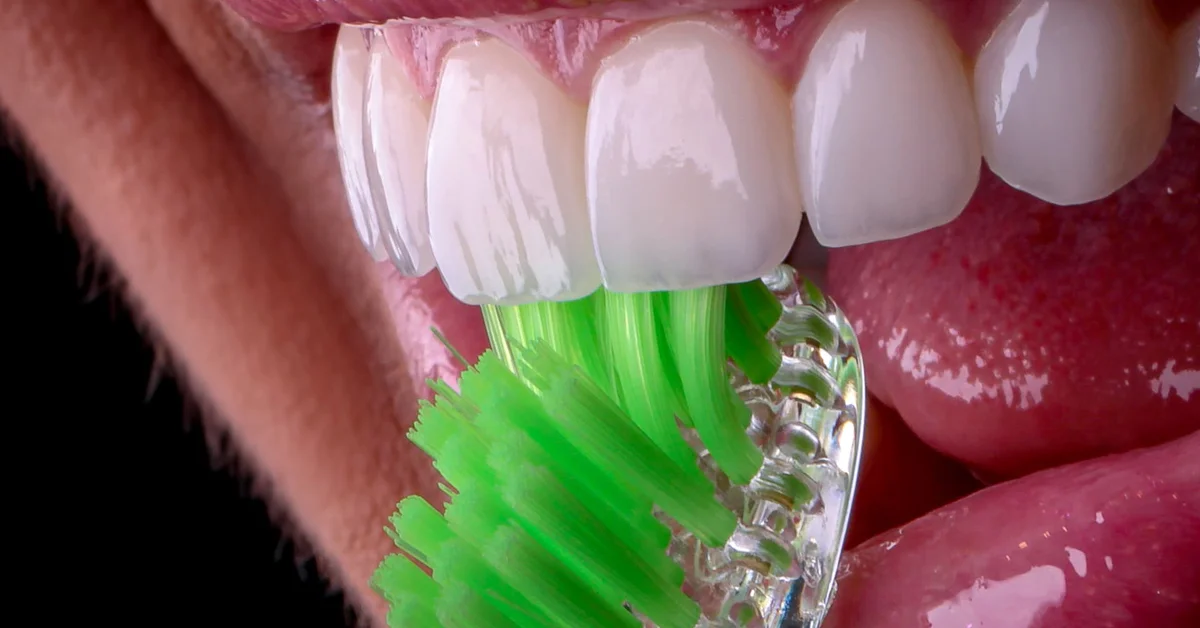
For most dental offices, the phone is the best choice for intraoral photography: it is always at hand, has more than enough resolution, and, with controlled lighting and stabilization, delivers images good enough for documentation, case presentation, and lab communication. A professional camera with a dedicated flash still wins in three scenarios: scientific publication, high-end anterior esthetic cases with a very demanding lab, and documentation that requires maximum color fidelity and depth of field.
The right question is not "which device is better" but "what is this photo for". Someone shooting to show a simulation to a patient, feed Instagram, or send a reference to the ceramist has different needs than someone preparing a case for a conference. Below I break down the scenarios and share what I have seen firsthand reviewing thousands of photos that arrive at dentraw LAB.
What actually changes between phone and camera?
The real technical difference comes down to four points: sensor, light control, depth of field, and color consistency. The phone compensates for its smaller sensor with computational processing, which helps for quick shots but can invent texture in extreme close-ups. A camera with a macro lens and twin or ring flash delivers faithful color and sharpness in any condition, at the cost of weight, setup time, and an investment that usually runs into several thousand dollars.
| Criterion | Current phone | Camera + macro + flash |
|---|---|---|
| Upfront investment | you already own it | several thousand dollars range |
| Setup time per photo | seconds | minutes |
| Day-to-day clinical documentation | sufficient | excellent |
| Lab communication | good with controlled light | excellent |
| Publication and conferences | limited | recommended |
| Social media photos | ideal | overkill |
| Learning curve | low | medium to high |
When does the phone fully cover the job?
In the daily flow of a dental office, the phone handles most situations. The uses where it delivers professional results, always with good light and stabilization:
- First-visit records and treatment progress documentation.
- Photos to present a smile simulation to the patient chairside.
- Before-and-after content for social media and portfolio.
- Quick shade and shape reference for the lab, alongside the shade guide.
- Photos to feed AI tools, like Preview and the image enhancement features in dentraw LAB.
From my own experience: most of the photos we receive at dentraw LAB for smile simulations come from phones, and what separates a good photo from an unusable one is almost never the phone model. It is motion blur, the yellowish ceiling light of the office, and framing that cuts off the lips. When those three things are right, a phone photo produces an excellent simulation in Preview.
When is a professional camera worth the investment?
A camera makes sense when the photo is the final product, not a means to an end. The scenarios where I recommend it without hesitation:
- Scientific publication or conference presentations, where editorial standards are high.
- Anterior porcelain cases with a ceramist who works with precision photography to map texture, halo effects, and characterization.
- Standardized documentation protocols, where every photo in the office needs absolute color and exposure consistency over years.
- Microscopic detail photography, like surface texture and marginal transition at high magnification.
Outside these scenarios, the camera becomes dead weight in the office: it takes time to set up, depends on staff training, and ends up in a drawer while the phone does the work.
What matters more than the device for final quality?
In order of impact on intraoral photos, this is what changes the result the most:
- Lighting: continuous light or a dedicated flash is worth more than double the megapixels. Office ceiling light is the biggest enemy of accurate color.
- Stabilization: a fixed support or solid hand technique eliminates shake, the top cause of discarded photos.
- Retractors and mirrors: a clean, fog-free lip retractor and intraoral mirror change the photo more than switching devices.
- Standard framing: a fixed protocol of angles (frontal, lateral, occlusal) gives consistency to the patient record.
- Only then, the sensor: phone or camera, in that order of priority, comes last.
Do phone photos work for AI and smile simulation?
Yes, and it is the most common use case I see. At dentraw LAB, smile simulation in Preview and photo enhancement in Studio work very well with phone photos, as long as sharpness, light, and framing are right. When a photo comes out slightly dark or lower resolution, AI upscaling recovers detail without the artificial look of ordinary enlargement, which extends the useful life of photos that would previously have been discarded.
That changes the equipment math: the dentist who shoots well with the phone already in their pocket can present a simulation at the evaluation appointment, produce before-and-after carousels, and feed Instagram without buying anything. dentraw LAB has a free 3-day trial to test exactly that workflow, and the plan and credit details are in the article about dentraw LAB pricing.
FAQ
Is a phone really good enough for intraoral photos? Yes. Current phones have enough resolution and color accuracy for clinical documentation, case presentations, and lab communication, as long as you control the lighting and keep the device steady.
When is a professional camera a must? For scientific publications, high-end anterior esthetic cases with a demanding lab, and situations where you need extremely faithful color reproduction and depth of field.
Do I need a dedicated flash to shoot with a phone? The phone's built-in flash tends to flatten the image and blow out reflections. A continuous light or a twin light adapted to the phone improves results a lot without the cost of a camera.
Which accessory makes the biggest difference with a phone? The support that stabilizes the device at the height of the patient's mouth. After that, quality retractors and intraoral mirrors change the photo more than upgrading the phone.
Do phone photos work for AI tools? Yes. At dentraw LAB, most of the photos we receive for simulation and enhancement come from phones. What matters most is sharpness, good light, and correct framing.
If you shoot with a phone and want to see your photos turn into smile simulations and before-and-after content, start your free 3-day trial of dentraw LAB now.
Related articles
Frequently asked questions
Is a phone really good enough for intraoral photos?
Yes. Current phones have enough resolution and color accuracy for clinical documentation, case presentations, and lab communication, as long as you control the lighting and keep the device steady.
When is a professional camera a must?
For scientific publications, high-end anterior esthetic cases with a demanding lab, and situations where you need extremely faithful color reproduction and depth of field.
Do I need a dedicated flash to shoot with a phone?
The phone's built-in flash tends to flatten the image and blow out reflections. A continuous light or a twin light adapted to the phone improves results a lot without the cost of a camera.
Which accessory makes the biggest difference with a phone?
The support that stabilizes the device at the height of the patient's mouth. After that, quality retractors and intraoral mirrors change the photo more than upgrading the phone.
Do phone photos work for AI tools?
Yes. At dentraw LAB, most of the photos we receive for simulation and enhancement come from phones. What matters most is sharpness, good light, and correct framing.