Dental Photography
What lighting should you use for intraoral photography?
Gabriel Gimenez · Published on September 19, 2026
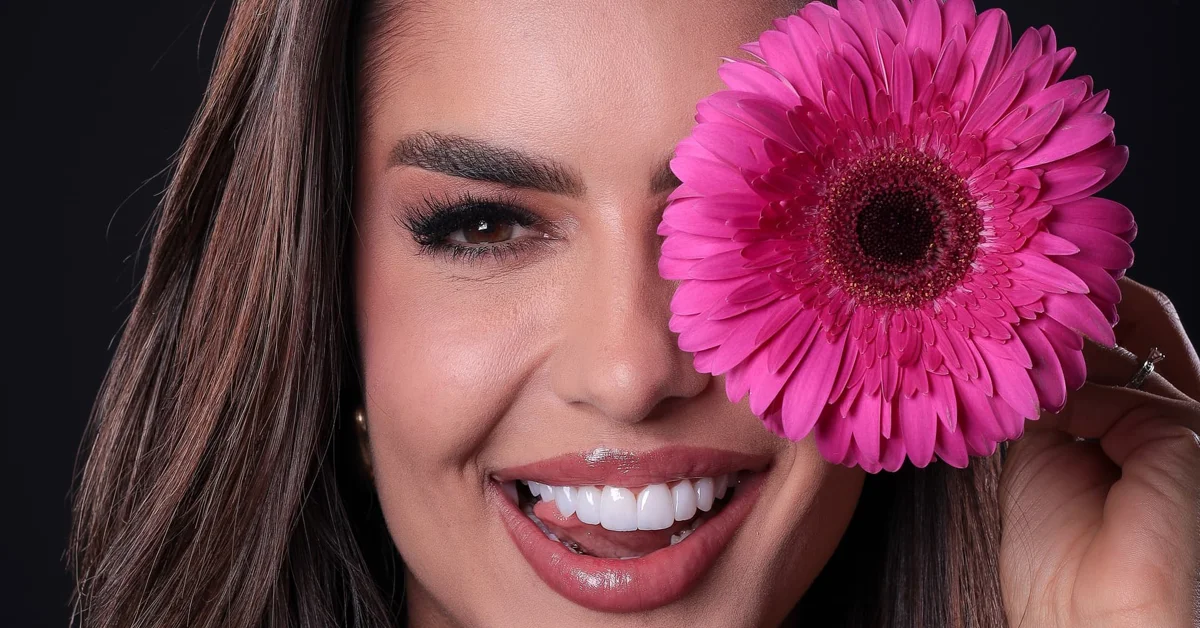
The best lighting for intraoral photography is diffused light positioned close to the mouth: a twin flash or a ring light with a diffuser on a camera, or, on a phone, a ring LED with diffusion. The goal is one: light the whole arch evenly, with no blown-out reflections on the enamel and no hard shadows hiding the posteriors.
What does not work is relying on operatory ambient light or a bare flash pointed straight at the tooth. Ambient light shifts in color and intensity throughout the day, and direct flash creates white hotspots that erase enamel texture, exactly the information the lab and the patient need to see.
Below I break down the options by equipment, the right color temperature, and the mistakes I see most often when dentists show me their photos at dentraw LAB.
Which lighting works best with each type of equipment?
| Equipment | Recommended lighting | Investment range | Watch out for |
|---|---|---|---|
| DSLR or mirrorless camera | Macro twin flash | Medium to high | Best option for texture and depth |
| DSLR or mirrorless camera | Ring flash | Medium | Even light, flatter shadows |
| Phone | Ring LED with diffuser | Low | Check that the diffuser does not warm the color |
| Phone | Built-in flash with diffuser | Very low | Works in a pinch, but limits quality |
| Any | Operatory ambient light | Zero | Do not use as the main source |
If you are starting out, a ring LED with a diffuser on your phone delivers most of the result for a fraction of the cost of a dedicated flash. The real quality jump comes when you need to show enamel microtexture for ceramic cases; that is where a twin flash makes a genuine difference.
Why is diffused light the rule in intraoral photography?
Diffused light is light that passes through a translucent material before reaching the tooth, scattering the rays and softening shadows and reflections.
In practice, inside the mouth this matters for three reasons:
- Enamel is reflective. Harsh light becomes a white patch in the photo and hides the tooth's anatomy.
- The mouth is a cavity. A single frontal light does not reach the posteriors, and they come out dark.
- Shade selection depends on neutral light. Warm or cool reflections distort how the shade reads.
That is why, whatever the source, the diffuser is the cheapest and most important accessory in the setup.
What color temperature should you use?
Work near 5,500 K, the temperature known as daylight. It is the reference standard for clinical photography and for communicating with the lab.
Two practical precautions:
- Mixing sources with different temperatures, like a 6,500 K LED with warm operatory light, produces inconsistent tones within the same case.
- If your ring LED has a temperature setting, lock it at one value and always use the same. Consistency matters more than the exact number.
Before publishing or sending clinical photos, check the current regulations from your licensing board or local authority regarding image records and patient consent.
Which lighting mistakes do I see most often?
Carlos and I have received thousands of photos from dentists at dentraw LAB since the launch in April 2026, and the mistakes repeat. One case stuck with me: a dentist sent a veneer series where the anteriors were blown out with reflection and the posteriors nearly black. The problem was not the camera, it was a ring light with no diffuser pressed against the tooth. With the diffuser on and the source moved back about 6 inches, the same scene became readable instantly.
The most common mistakes:
- Light source pressed against the tooth, blowing out the reflection on the enamel.
- Bare flash with no diffuser, creating shadows that hide the gingival margin.
- Trusting operatory light, which changes during the day and breaks the before-and-after match.
- LED with the wrong temperature, making every tooth look yellow or bluish.
- Not standardizing distance and angle, so every photo in the case comes out with different light.
How does lighting connect with the digital workflow?
A well-lit photo is raw material. At dentraw LAB, photos that go into Preview for smile simulation or into Studio for enhancement turn out much better when the capture already has diffused light and neutral color, because the AI works with the real enamel information instead of correcting blown highlights.
Anyone who wants to test that workflow can start with the free 3-day trial. Plans and pay-per-use credits are detailed in the article on how much dentraw LAB costs, with the logic of when to subscribe and when to pay per generation.
FAQ
Can I use my phone's built-in flash for intraoral photography? You can, but the built-in flash usually creates harsh reflections and short shadows. A simple diffuser or an external ring LED makes the result far more even.
Ring light or twin flash: which is better for intraoral shots? A ring light is simpler and works well for general documentation. A twin flash produces directional shadows that show texture and depth better, which helps in cosmetic and ceramic cases.
What color temperature should I use in dental photography? Aim for around 5,500 K, known as daylight. Warmer temperatures make teeth look yellow and interfere with shade selection.
Do I need a softbox for intraoral photography? A softbox is better for portraits and full-smile shots of the patient. For intraoral work, the light source needs to be close to the mouth, so a macro flash or ring LED works better.
Is operatory lighting enough for clinical photos? Ambient light helps you see, but it is not enough on its own. Its color and intensity change throughout the day, which breaks the consistency of before-and-after photos.
If you want to see how a well-lit photo becomes a smile simulation and presentation material, start your free 3-day trial now.
Related articles
Frequently asked questions
Can I use my phone's built-in flash for intraoral photography?
You can, but the built-in flash usually creates harsh reflections and short shadows. A simple diffuser or an external ring LED makes the result far more even.
Ring light or twin flash: which is better for intraoral shots?
A ring light is simpler and works well for general documentation. A twin flash produces directional shadows that show texture and depth better, which helps in cosmetic and ceramic cases.
What color temperature should I use in dental photography?
Aim for around 5,500 K, known as daylight. Warmer temperatures make teeth look yellow and interfere with shade selection.
Do I need a softbox for intraoral photography?
A softbox is better for portraits and full-smile shots of the patient. For intraoral work, the light source needs to be close to the mouth, so a macro flash or ring LED works better.
Is operatory lighting enough for clinical photos?
Ambient light helps you see, but it is not enough on its own. Its color and intensity change throughout the day, which breaks the consistency of before-and-after photos.