Before & After
What should you show at a first facial harmonization consultation?
Gabriel Gimenez · Published on September 19, 2026
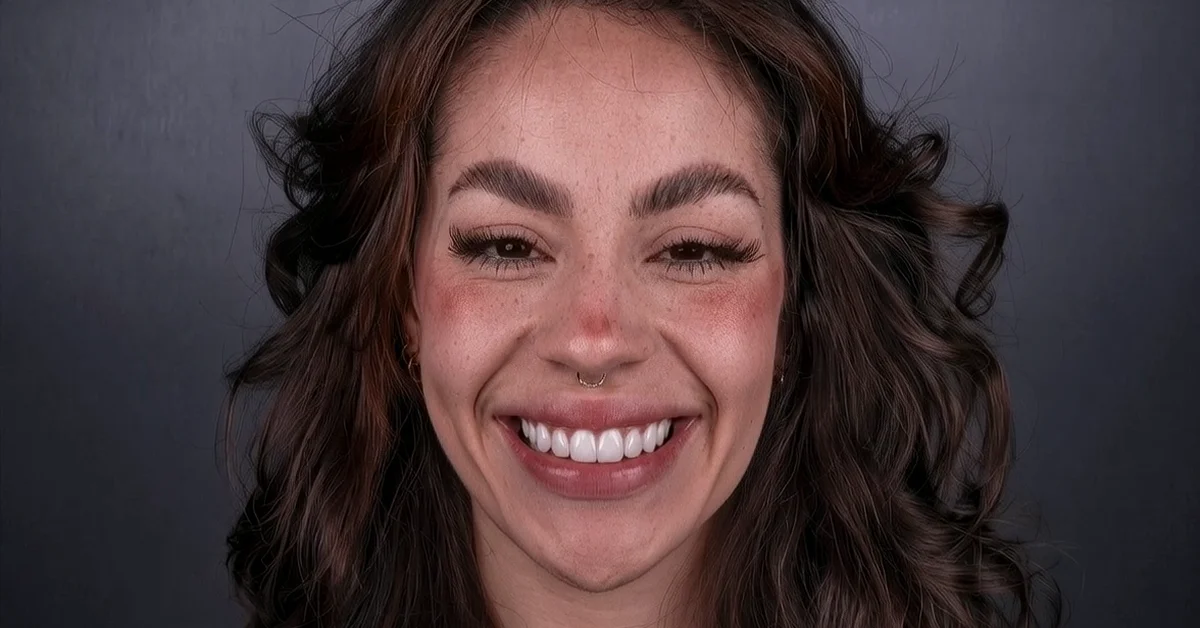
At a first facial harmonization consultation, show four things: standardized photos of the patient on screen, a visual simulation of the possible result, two or three before-and-after cases similar to their concern, and a phased treatment plan with price ranges. That's it. No generic procedure catalogs, no theoretical slides about facial proportions.
The logic is simple: patients walk in with a mental image of what they want, almost always built from other people's photos on Instagram. Your job in the first consultation is to replace that abstract image with an image of themselves, and turn desire into a plan. Patients who see their own face in a simulation decide far faster than those who only hear a technical explanation.
Below I break down each of these four blocks, in the order I've seen work best in the practices of dentists using dentraw LAB.
Why start with the patient's own photos?
Before showing anyone else's case, photograph the person in the chair and put it on screen. The impact of seeing their own face analyzed outweighs any portfolio. A minimal protocol that covers most consultations:
- Frontal smiling, teeth visible.
- Frontal at rest, lips relaxed.
- Right profile and left profile.
- Close-up of the smile, lip to lip.
- Optional: forced smile and a 45-degree shot from each side.
Standardize background, distance, and lighting. You don't need a studio: a neutral wall and the same chair position every visit already create consistency for comparing before and after throughout treatment.
On screen, point out two or three objective observations, never a list of flaws. "Your lower third is slightly shorter relative to the rest of your face" lands very differently from "your chin is small." The first sentence opens a treatment plan; the second closes the consultation.
What does the simulation change in the conversation?
One sentence sums it up: a simulation is the bridge between what the patient imagines and what is technically possible on their face.
With standardized photos in hand, generating a simulation takes minutes. At dentraw LAB, dentists use Preview to simulate the smile and the outcome of facial aesthetic procedures directly on the patient's photo, right there in the consultation. This changes the conversation in three ways:
- Aligned expectations: the patient stops comparing their face to influencers and starts discussing their own case.
- Faster decisions: people who see a possible version of themselves tend to decide on the spot or come back with a decision made, instead of "thinking about it" for weeks.
- Documentation: the simulated image records what was discussed, which protects both sides when paired with a well-written informed consent form.
One caution I always repeat: present the simulation as a reference, never as a promise. I've personally seen dentists lose patients after the procedure because they sold the simulation as "this is exactly how it will look." Clinical outcomes depend on biotype, technique, and individual response. Say that out loud while showing the image.
Which before-and-after cases should you show?
After the patient's own simulation, real before-and-after cases carry a different weight. The rule I recommend:
| Criterion | What to do |
|---|---|
| Similarity | Choose cases with a complaint and biotype similar to the patient in front of you |
| Quantity | 2 to 3 cases per consultation, not the whole portfolio |
| Authorization | Only photos with written consent from the photographed patient |
| Context | Tell the plan: how many sessions, which procedures, what timeframe |
| Honesty | Show typical results, not just the most impressive cases |
Advertising rules for before-and-after photos vary by professional board and country. Always check the current regulations before using these images in consultations or on social media.
How should you present the plan and pricing?
The fourth block of the first consultation is the phased plan. Facial harmonization patients rarely commit to everything at once, and pushing the full package in the first conversation usually delays the decision. The format I've seen convert best:
- Phase 1: the procedure that solves the main complaint, with a price range.
- Phase 2: the complement that enhances the result, with a price range.
- Phase 3: maintenance, with an estimated cadence.
Present prices as ranges ("starting at", "between X and Y"), because the final plan depends on product, quantity, and individual response. Connect each phase to the simulation: "this part of the image is phase 1." When the patient can point at the screen and see what each amount buys, the budget stops being abstract.
If you use dentraw LAB to build that presentation, the platform cost fits any plan: pay-per-use credits start at R$3.90 per image for occasional use, with subscriptions for those who simulate in nearly every consultation. I detailed all pricing in the article on how much dentraw LAB costs.
FAQ
Can I promise the result will look exactly like the simulation? No. A simulation is a visual alignment reference, not a guarantee of clinical outcome. Say this clearly to the patient and document the alignment in the informed consent form, according to the regulations in your jurisdiction.
How many photos should I take at the first consultation? A minimal protocol is enough: frontal smiling, frontal at rest, right and left profiles, and a close-up of the smile. With 5 to 8 standardized photos you can already analyze proportions and generate consistent simulations.
Should I show before-and-after cases from other patients? Yes, as long as you have written authorization from each patient and follow your professional board's advertising rules. Pick cases similar to the complaint of the person in front of you, not the most dramatic ones.
What should I do when a patient asks for a result that doesn't fit their face? Use the simulation to show both versions: what they asked for and a proportional proposal. Comparing them side by side on screen aligns expectations better than any technical explanation.
Should I present the budget at the first consultation? Yes, in ranges and phases. A phased plan with price ranges helps the patient decide without the pressure of a single large number, and it avoids impulsive negotiations.
If you want to bring a simulation of your patient's own face to your next first consultation, start your free 3-day trial of dentraw LAB now.
Related articles
Frequently asked questions
Can I promise the result will look exactly like the simulation?
No. A simulation is a visual alignment reference, not a guarantee of clinical outcome. Say this clearly to the patient and document the alignment in the informed consent form, according to the regulations in your jurisdiction.
How many photos should I take at the first consultation?
A minimal protocol is enough: frontal smiling, frontal at rest, right and left profiles, and a close-up of the smile. With 5 to 8 standardized photos you can already analyze proportions and generate consistent simulations.
Should I show before-and-after cases from other patients?
Yes, as long as you have written authorization from each patient and follow your professional board's advertising rules. Pick cases similar to the complaint of the person in front of you, not the most dramatic ones.
What should I do when a patient asks for a result that doesn't fit their face?
Use the simulation to show both versions: what they asked for and a proportional proposal. Comparing them side by side on screen aligns expectations better than any technical explanation.
Should I present the budget at the first consultation?
Yes, in ranges and phases. A phased plan with price ranges helps the patient decide without the pressure of a single large number, and it avoids impulsive negotiations.